Shippingmasters

  • Home
  • Request a Quote
  • Payment & Title Transfer
  • Shipping Options
    • Crated
    • Metal Pallet
    • Uncrated
    • Wood Pallet
    • Container
  • Ship By States
    • California
    • Florida
    • Texas
    • All States
  • Contact Us
  • Call or Text 602-214-6967 Today

Below you will find useful motorcycle shipping and motorcycle transport related articles.  We have been shipping motorcycles for decades and have created many helpful articles for our customers to review who are considering shipping motorcycles.  We are always learning important considerations regarding how to ship a motorcycle and we invite you to ask questions or share your tips with our team.

The Impact of Smart Warehousing on Motorcycle Shipping Efficiency

“From two wheels to your driveway faster than ever — discover how smart warehousing is revolutionizing motorcycle shipping.”

In the fast-paced world of motorcycle shipping and motorcycle transport, efficiency isn’t just a luxury — it’s a competitive necessity. Whether you’re a dealership managing large-scale distribution, a collector moving rare models, or a private owner relocating across the country, one critical factor stands out: how quickly and safely your motorcycle reaches its destination. This is where smart warehousing is making a significant impact, transforming traditional storage and distribution into a streamlined, tech-driven process.

What is Smart Warehousing?

Smart warehousing integrates advanced technologies such as IoT (Internet of Things) devices, automated storage systems, AI-driven inventory management, and real-time tracking. In the context of motorcycle transport, these innovations optimize every step — from the moment a bike is received at a warehouse to the second it’s loaded for delivery.

Unlike traditional warehouses that rely heavily on manual processes, smart warehouses use automation and data analytics to reduce human error, enhance speed, and ensure optimal storage conditions for valuable motorcycles.

Faster Turnaround Times

One of the biggest challenges in motorcycle shipping is minimizing downtime between arrival at the warehouse and final dispatch. Smart warehousing addresses this by:

  • Automated Sorting & Handling: Robots and conveyor systems move motorcycles quickly and safely within the warehouse.

  • AI Scheduling: Artificial intelligence algorithms determine the most efficient pick-up and delivery schedules based on real-time logistics data.

  • Predictive Demand Planning: Data from historical shipments helps anticipate peak periods, ensuring resources are ready before the rush hits.

These improvements mean motorcycles spend less time sitting idle, leading to faster delivery times for customers and lower storage costs for shippers.

Enhanced Safety and Damage Prevention

Motorcycles are both valuable and delicate. A single scratch or dent can significantly reduce resale value or cause customer dissatisfaction. Smart warehouses employ:

  • Environmental Monitoring: IoT sensors track temperature, humidity, and air quality, ensuring bikes remain in optimal condition.

  • Automated Lifting Systems: Reducing the need for manual handling minimizes the risk of drops or collisions.

  • Real-Time Surveillance: High-definition cameras and AI-driven security systems protect against theft and vandalism.

By eliminating many of the risks associated with manual storage and handling, smart warehousing ensures that motorcycles arrive in pristine condition.

Improved Tracking for Peace of Mind

For customers using motorcycle transport services, transparency is critical. Smart warehousing integrates tracking technology that allows both businesses and customers to monitor the exact location and status of their motorcycles at all times.

Real-time GPS tracking, combined with warehouse inventory updates, gives customers peace of mind and builds trust in the shipping process. Businesses benefit too, with fewer customer inquiries and disputes about delivery timelines.

Cost Savings for Businesses and Customers

While smart warehousing requires an initial investment in technology, the long-term savings are substantial. Automation reduces labor costs, predictive analytics minimizes wasted storage space, and faster turnaround times increase overall capacity.

These savings often translate into more competitive pricing for motorcycle shipping customers without sacrificing service quality. For high-volume motorcycle transport companies, the ROI on smart warehousing upgrades can be realized in a matter of months.

Sustainability Benefits

Modern customers are increasingly concerned about sustainability — and smart warehousing delivers here as well. Energy-efficient lighting, optimized space usage, and reduced idle times for transport vehicles all contribute to lower carbon emissions.

Additionally, precise inventory and scheduling mean fewer unnecessary trips, cutting down on fuel usage across the motorcycle shipping network.

The Future of Motorcycle Shipping with Smart Warehousing

As more motorcycle transport companies embrace smart warehousing, the industry will see shorter delivery times, fewer damaged bikes, and a smoother experience for all involved. The integration of AI, robotics, and IoT is no longer just a competitive edge — it’s becoming an industry standard.

For customers, this means more reliable service, greater transparency, and potentially lower costs. For businesses, it means higher efficiency, better margins, and an enhanced reputation for excellence in motorcycle shipping.

Final Thoughts

Smart warehousing is transforming motorcycle transport from a traditional, manual process into a tech-powered, customer-focused service. The combination of automation, real-time tracking, and predictive analytics is making motorcycle shipping faster, safer, and more cost-effective than ever before.

As technology continues to evolve, one thing is certain: the future of motorcycle shipping will be driven by intelligent logistics — and customers will be the ultimate winners.

Advanced Crating and Packaging Solutions for Motorcycle Transport

The Secret to Safe, Efficient, and Damage-Free Motorcycle Shipping

In today’s fast-paced world of motorcycle transport, efficiency and safety are non-negotiable. Whether you’re a motorcycle owner relocating across the country, a dealership shipping inventory, or a collector transporting a rare bike, advanced crating and packaging solutions are the backbone of secure motorcycle shipping.

Shipping a motorcycle isn’t as simple as rolling it into a truck. Unlike cars, motorcycles are exposed, lightweight, and sensitive to movement. One unexpected jolt or unsecured anchor point can lead to costly damage. That’s where modern crating and packaging technology comes in—turning what used to be a nerve-wracking process into a streamlined, secure operation.

Why Advanced Crating Matters in Motorcycle Transport

The foundation of successful motorcycle transport lies in minimizing risks. Standard tie-downs and wheel chocks might work for short-distance hauls, but for long-distance motorcycle shipping or international transport, they often fall short. Here’s why:

  • Vibration during transit can loosen parts or scratch paint.

  • Weather exposure during open transport can corrode metal and fade finishes.

  • Inadequate packaging increases the chance of structural damage or tip-overs.

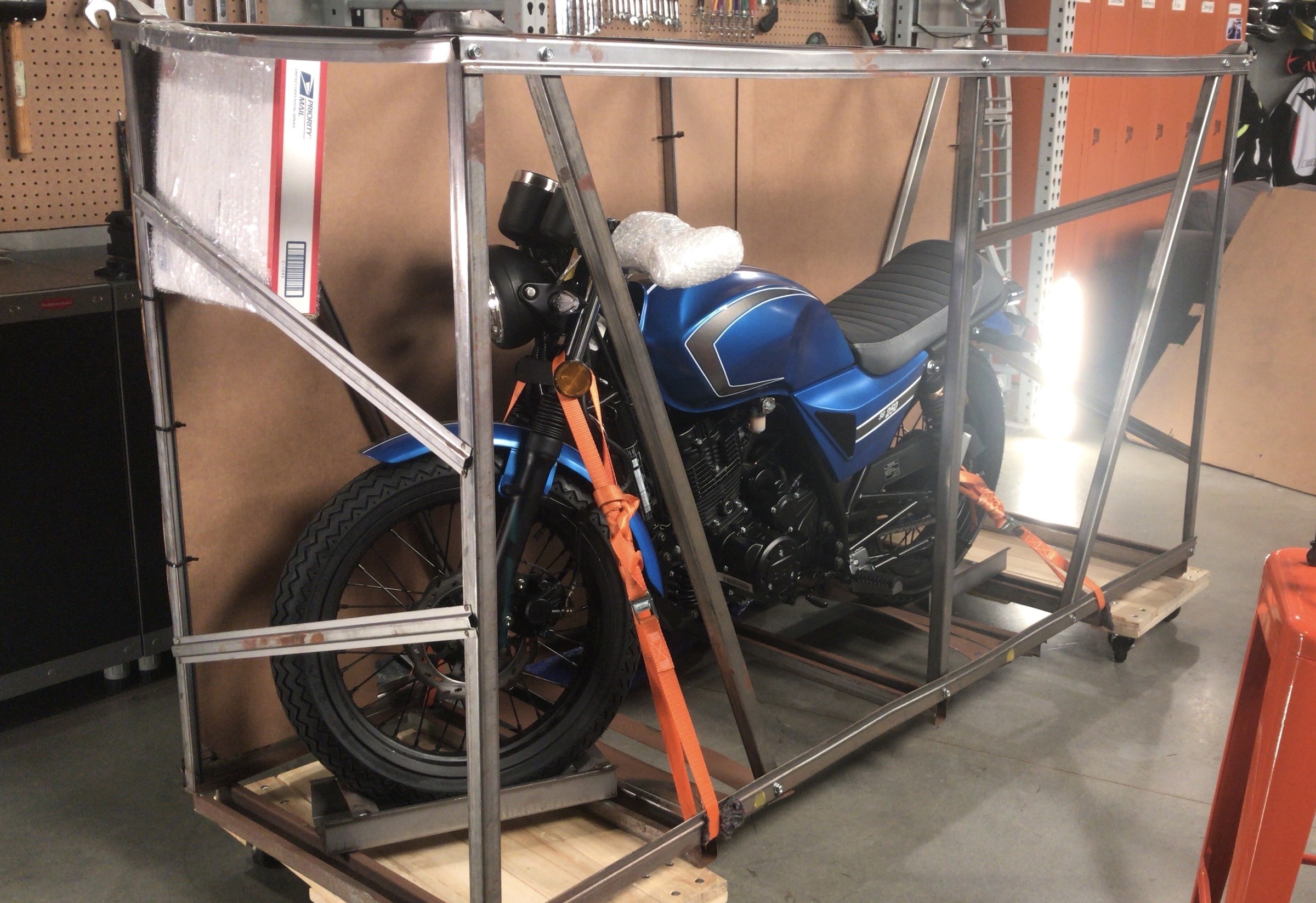
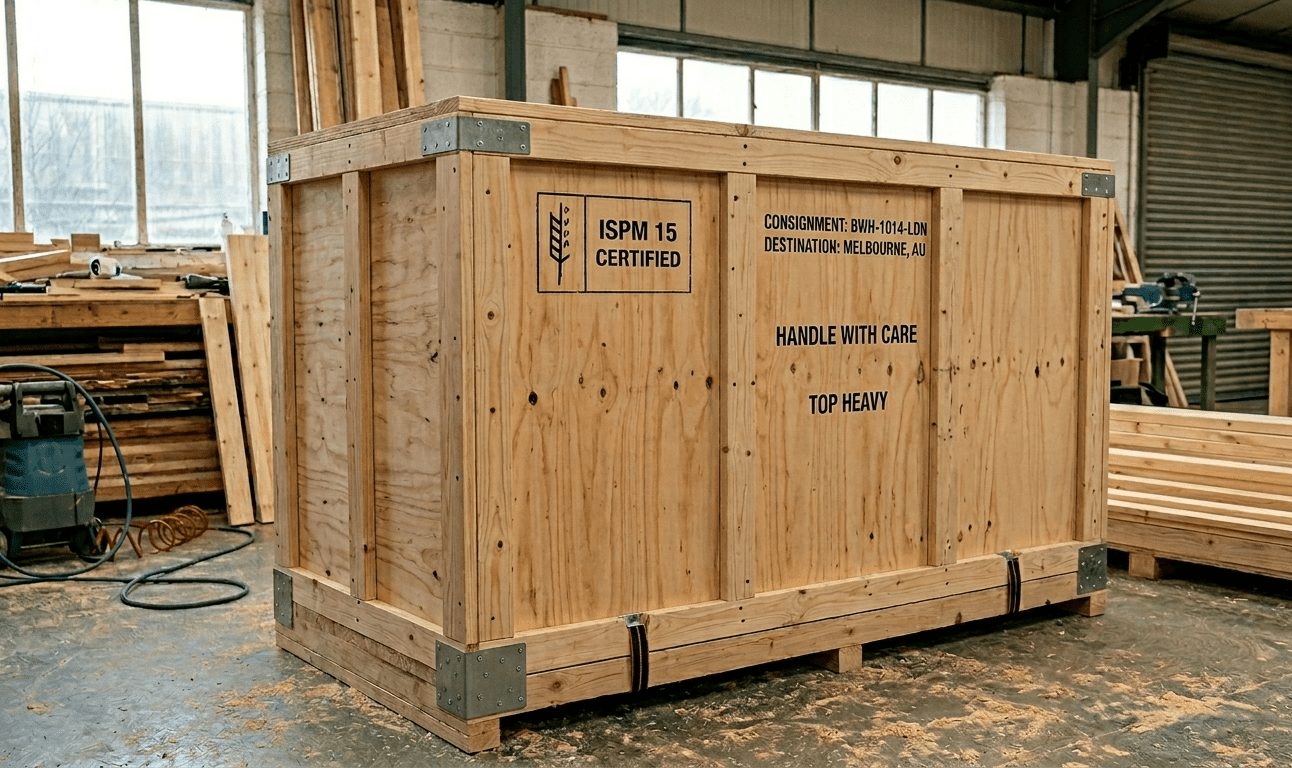
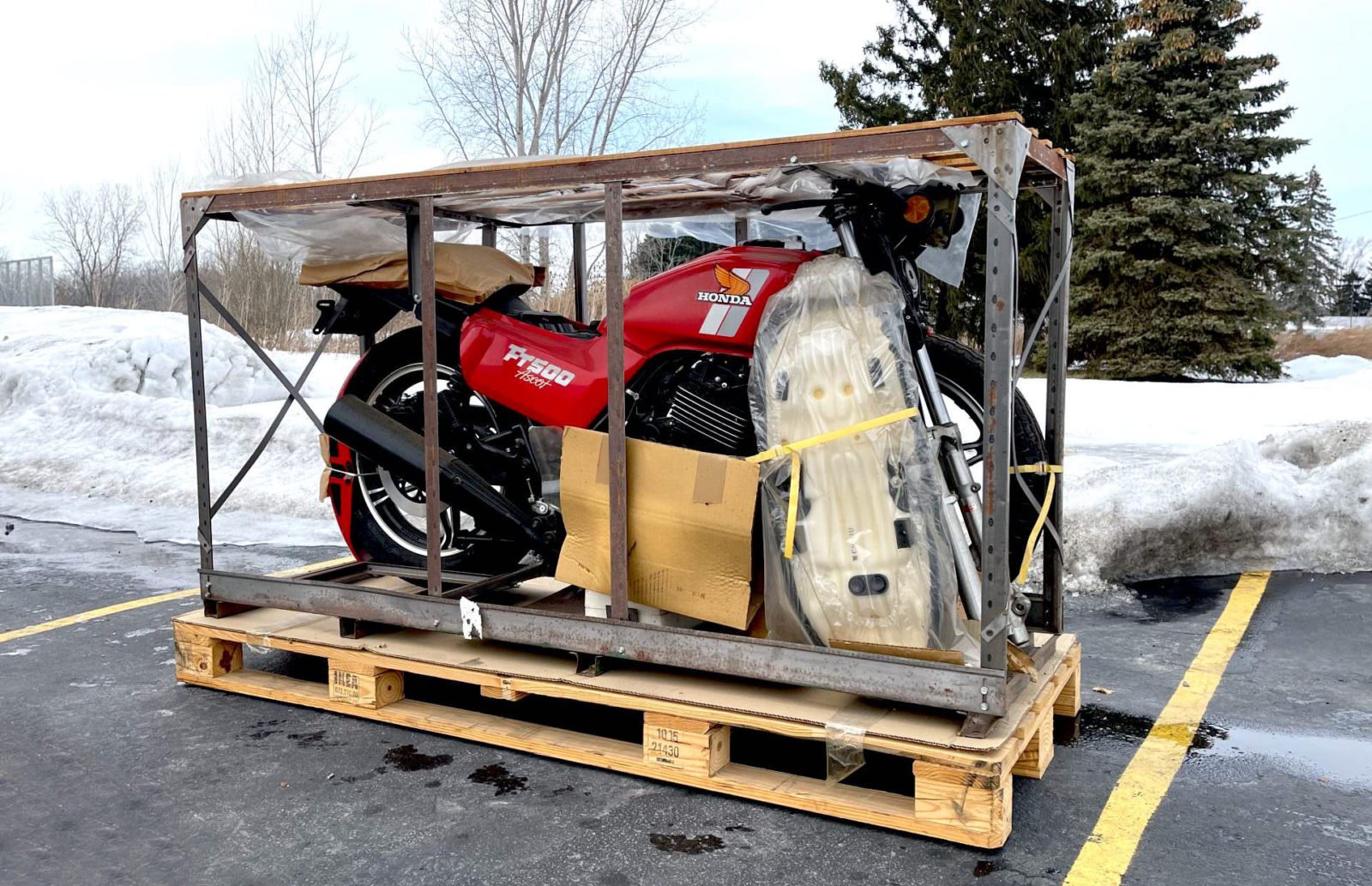
Advanced crating solutions solve these issues with precision engineering. These crates aren’t just wooden boxes—they’re custom-built protection units designed to absorb shock, shield against moisture, and secure the motorcycle in place regardless of terrain or time.

Key Features of Advanced Motorcycle Crating Systems

1. Custom-Fit Crates

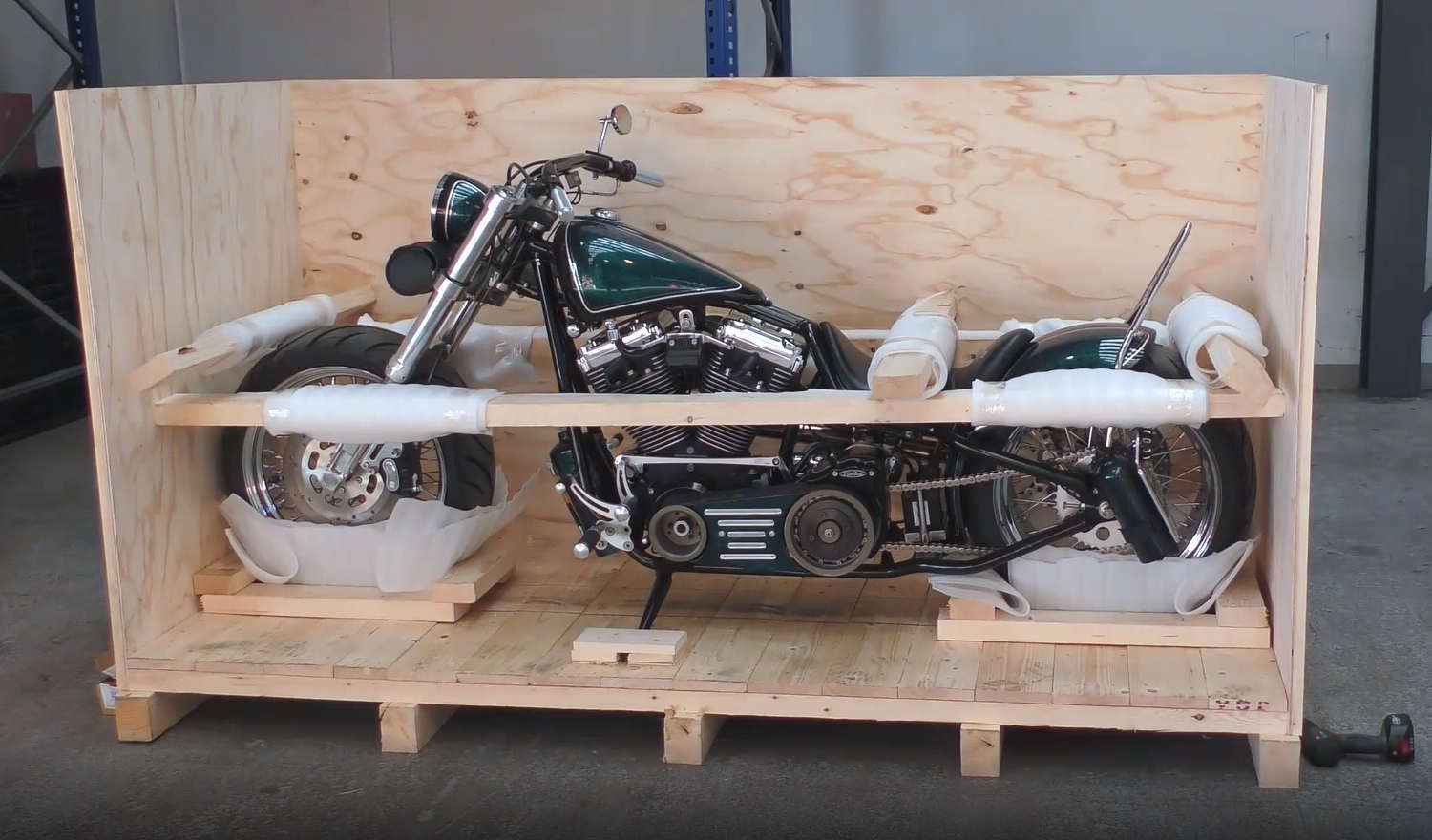
Advanced crates are tailored to the specific make and model of the motorcycle. This eliminates unnecessary movement during transport, which drastically reduces damage risk. Foam padding, contour-fit interiors, and anchor points are strategically placed for stability.

2. Weather-Resistant Materials

Most high-end motorcycle crates are built from treated wood or composite materials that resist moisture, mold, and temperature changes. Some include waterproof outer wrappings or heat-sealed plastic barriers for added protection during international motorcycle transport.

3. Shock-Absorbing Technology

Modern packaging uses vibration-dampening pads and shock-absorbing base plates to handle turbulence during air, rail, or long-haul road transit. This technology is especially crucial for vintage or high-value bikes that cannot afford even minor jolts.

4. Disassembly and Component Packaging

Some solutions offer semi-disassembly options—such as removing handlebars or mirrors—to fit the motorcycle into compact crates for space-saving and cost-effective motorcycle shipping. These parts are then separately cushioned and labeled for easy reassembly.

5. Reusable Crating Systems

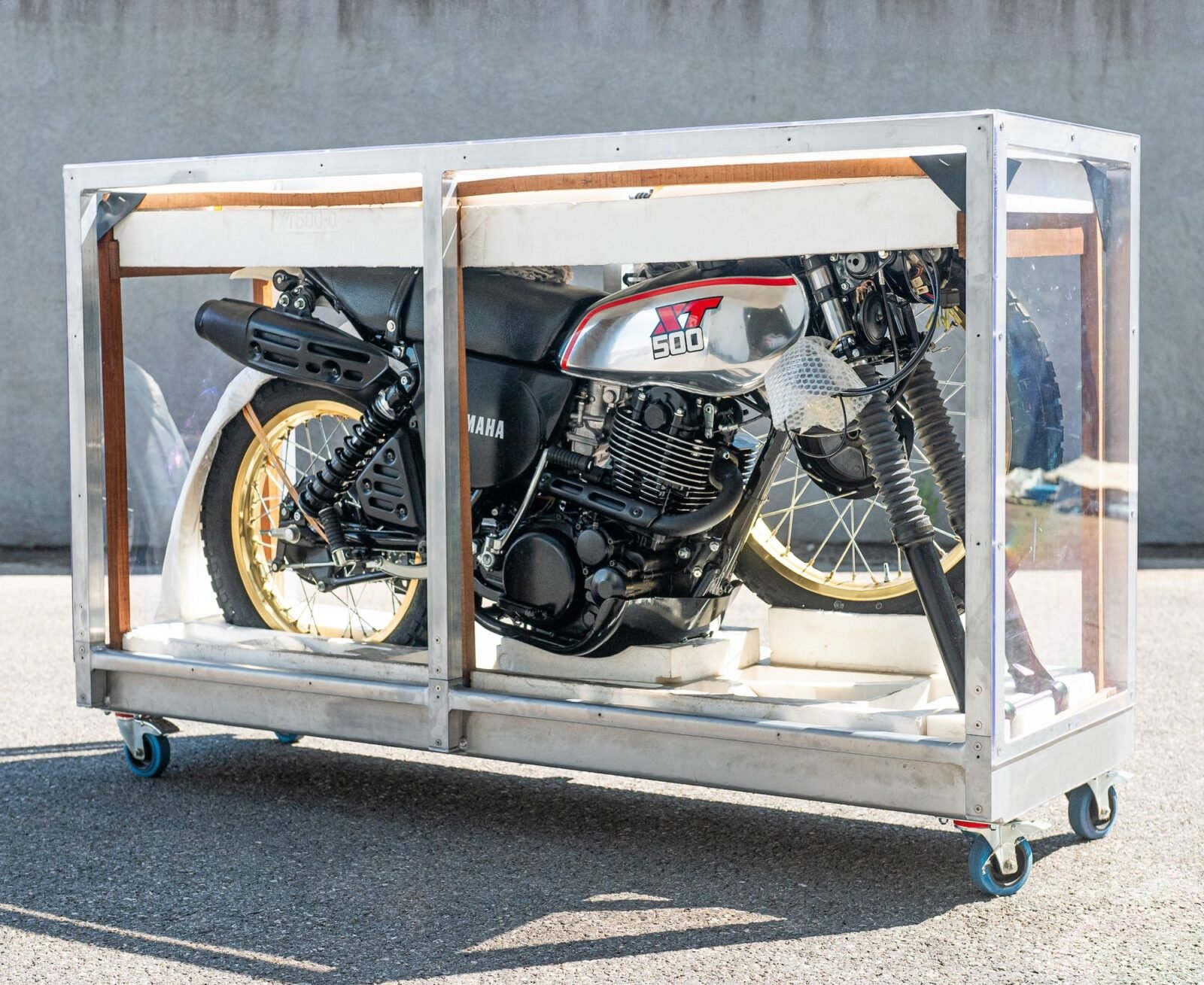
Eco-conscious businesses and bulk shippers prefer reusable crates made from industrial-strength plastics or aluminum. These systems reduce long-term costs and environmental impact while maintaining optimal protection.

Benefits of High-Tech Packaging for Motorcycle Shipping

Investing in advanced crating and packaging yields multiple advantages:

  • Maximum protection against scratches, dents, and internal damage.

  • Insurance compliance, as many shipping insurers require specific packaging standards.

  • Faster handling, since secure crates can be loaded, stacked, and moved more efficiently.

  • Peace of mind for both individual owners and fleet managers.

Choosing the Right Crating Provider

When selecting a crating service for your motorcycle transport, look for companies that specialize in motorcycle-specific logistics. Here’s what to consider:

  • Experience with your motorcycle type (sport bike, cruiser, touring, etc.)

  • Track record with long-distance or international shipping

  • Packaging customization options

  • On-site crating services (they come to your garage or dealership)

  • Compatibility with various transport carriers (truck, freight, air)

Motorcycle Transport and Crating: A Perfect Pair

Packaging and transport go hand in hand. Even the best crate won’t help if your motorcycle is handled by inexperienced shippers. So, always choose a provider that integrates crating services with comprehensive motorcycle shipping solutions, including:

  • Route optimization

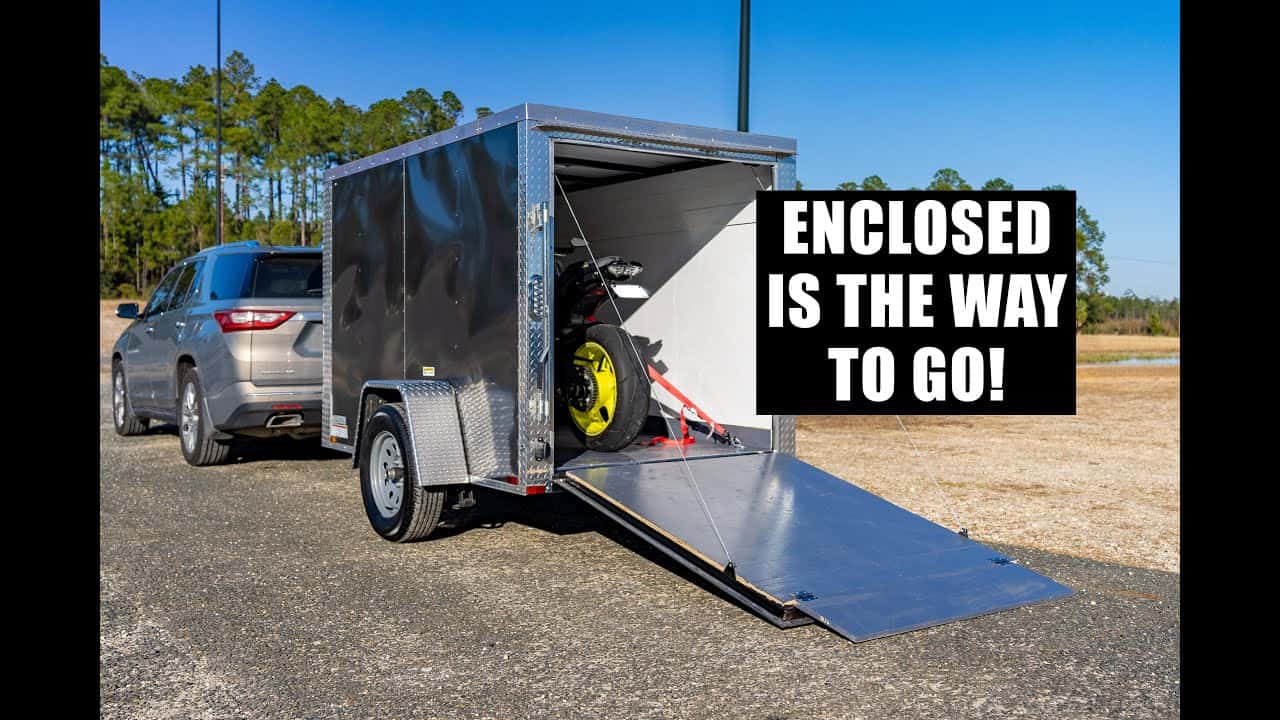
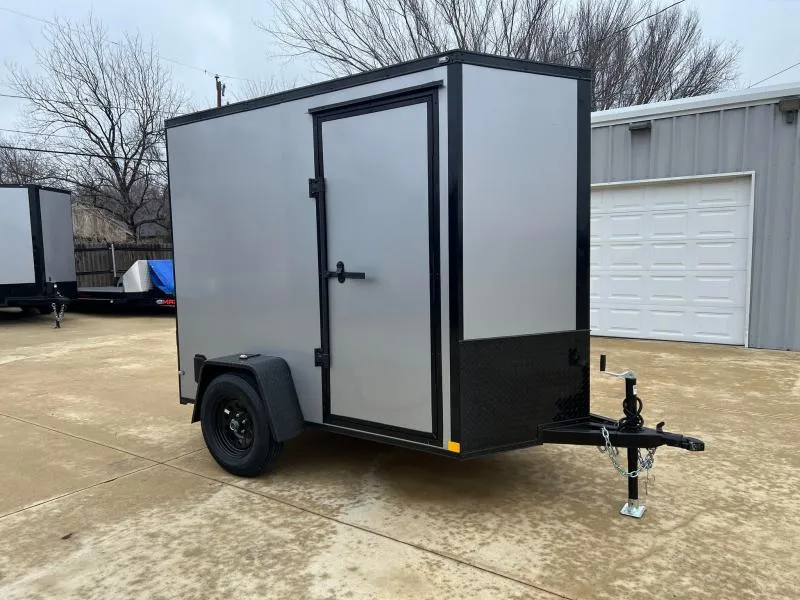
  • Enclosed trailer options

  • Real-time tracking

  • Insurance coverage

  • White-glove delivery service

The Future of Motorcycle Packaging

As the motorcycle industry continues to innovate, so do shipping solutions. Expect to see more smart crates equipped with GPS, temperature sensors, and motion alerts that keep owners informed in real-time. AI-driven logistics platforms will also optimize crate dimensions and packing procedures, reducing cost and transit time.


Final Thoughts

If you’re serious about protecting your bike during motorcycle transport, investing in advanced crating and packaging solutions isn’t optional—it’s essential. Whether you’re moving across town or across continents, your motorcycle deserves the best defense against the unpredictable nature of shipping.

With the right crate, the right packaging, and the right shipping partner, your motorcycle will arrive exactly how it left—flawless and ride-ready.

The Role of Artificial Intelligence in Optimizing Motorcycle Transport Routes

Revolutionizing Motorcycle Shipping with Smart Routing Technology

In a world where time is money and efficiency is everything, the logistics of motorcycle transport are undergoing a radical transformation—thanks to Artificial Intelligence (AI). From cross-country motorcycle shipping to local dealership deliveries, AI is no longer a futuristic concept; it’s a game-changer driving real-time route optimization, enhanced safety, and cost savings across the motorcycle transport industry.

If you’re a motorcycle owner, dealer, or shipping company looking to reduce delivery times, cut fuel costs, and improve customer satisfaction, understanding how AI is reshaping motorcycle transport routes could give you a critical edge.

Why Route Optimization Matters in Motorcycle Shipping
Motorcycle shipping involves a lot more than just loading bikes onto a trailer and hitting the road. Whether transporting vintage Harleys across state lines or delivering sport bikes to urban dealerships, route efficiency is crucial. Factors such as traffic conditions, fuel consumption, road closures, and delivery deadlines can all impact service quality and costs.

Traditional route planning relies heavily on human experience, GPS, and historical data. While useful, these methods often fall short in adapting to real-time variables. That’s where AI steps in—offering intelligent, dynamic, and data-driven solutions.

How AI Optimizes Motorcycle Transport Routes
1. Real-Time Traffic Analysis and Forecasting
AI algorithms analyze live traffic data, weather patterns, and roadwork updates to suggest the most efficient motorcycle shipping routes at any given moment. Using machine learning, AI can predict congestion hours before it happens, allowing transport vehicles to take alternate roads and avoid delays.

2. Predictive Maintenance and Load Optimization
Smart AI systems can analyze vehicle performance data to schedule timely maintenance, reducing breakdown risks during transport. AI also helps optimize load distribution on transport carriers, ensuring that motorcycles are balanced and secure, while minimizing excess weight and maximizing space.

3. Fuel Efficiency and Cost Reduction
By planning fuel-efficient routes and minimizing idle time, AI not only cuts emissions but also saves on fuel costs. In an industry where fuel makes up a large portion of operational expenses, AI-generated routes offer a measurable ROI for motorcycle transport companies.

4. Dynamic Scheduling and Dispatching
AI can automatically assign shipments to the nearest available transport vehicle, re-route trucks based on unexpected delays, and reschedule pickups or drop-offs in real-time. This level of agility is particularly beneficial in busy seasons when demand for motorcycle transport peaks.

5. Geospatial Data Integration
AI systems can integrate satellite imaging and geospatial data to evaluate terrain, road conditions, and route restrictions. This is especially helpful for rural or mountainous regions where motorcycle shipping routes may be more complex or limited.

The Benefits for Motorcycle Transport Businesses
AI doesn’t just benefit logistics on paper—it delivers real-world advantages, such as:

Faster Delivery Times
AI-powered routing ensures that motorcycles reach their destinations quicker, boosting customer satisfaction and increasing capacity for more deliveries.

Reduced Operational Costs
Efficient fuel usage, lower maintenance costs, and better scheduling all contribute to significant cost savings for motorcycle shipping companies.

Improved Fleet Utilization
By analyzing driver availability, truck capacity, and route lengths, AI maximizes how often and how efficiently vehicles are used.

Enhanced Customer Experience
AI can offer accurate delivery ETAs, proactive delay notifications, and GPS tracking updates, keeping customers informed every step of the way.

Future Trends in AI-Powered Motorcycle Shipping
The future of motorcycle transport lies in even deeper AI integration. Expect to see the rise of autonomous motorcycle delivery units, AI chatbots for customer service, and blockchain-AI hybrid systems for real-time transparency and shipment tracking.

Also, as electric motorcycles become more mainstream, AI will be critical in routing shipments to include EV charging stations along the way—another layer of logistical optimization.

Final Thoughts: Embracing Smart Transport
Artificial Intelligence is redefining what’s possible in motorcycle shipping. From predictive analytics to real-time rerouting, AI makes motorcycle transport faster, greener, and smarter. As competition grows and customer expectations evolve, AI offers a technological edge that no logistics provider can afford to ignore.

Whether you’re an individual shipping a bike across the country or a dealer managing a fleet of motorcycle shipments, embracing AI in route planning isn’t just an upgrade—it’s a necessity.

Electric and Autonomous Transport Vehicles in Motorcycle Shipping

The Future Is Now: How Electric and Autonomous Vehicles Are Transforming Motorcycle Shipping
As technology advances and environmental concerns take center stage, electric and autonomous vehicles are reshaping multiple industries—and motorcycle shipping is among them. Whether you’re a dealership transporting motorcycles across the country or a rider moving your cherished bike, innovations in shipping are redefining what it means to be efficient, safe, and eco-conscious.

This article explores how these cutting-edge vehicles are elevating the motorcycle shipping process, paving the way for a cleaner, smarter, and more efficient future.

Electric Vehicles Gaining Ground in Motorcycle Shipping
With electric vehicles (EVs) becoming increasingly mainstream, logistics providers are embracing electric trucks and support vehicles. In motorcycle transport, this transition brings several notable benefits:

Eco-Friendly and Sustainable Practices
Diesel-powered transport has long been a major source of emissions. EVs drastically cut greenhouse gases, making them a popular choice for environmentally aware customers. As many riders are already adopting electric motorcycles, demand for green shipping methods is on the rise.

Reduced Operating Costs
Electric vehicles are cheaper to maintain and fuel over time. This cost-efficiency translates into more competitive motorcycle shipping rates without compromising on service.

Compliance with Low-Emission Zones
More cities worldwide are imposing limits on gas-powered transport. Electric trucks can access these low-emission zones with ease, helping prevent delivery delays in urban areas.

Autonomous Vehicles: The Next Evolution in Shipping
While electric vehicles are becoming common, autonomous vehicles (AVs) represent the next leap forward. Envision a convoy of self-driving trucks transporting motorcycles seamlessly across state lines, guided by AI and requiring minimal human input.

Round-the-Clock Efficiency
AVs operate 24/7 without rest, cutting down delivery times and increasing the reliability of long-haul motorcycle shipping.

Safer and More Precise Deliveries
Equipped with GPS, sensors, and AI, these vehicles take the safest, most efficient routes while adapting to road conditions. This ensures motorcycles are transported with minimal risk.

Real-Time Monitoring and Data Access
Advanced tracking systems integrate effortlessly with AVs, giving customers live updates from departure to delivery. Complete visibility builds trust and enhances service.

Today’s Integration of EV and AV in Motorcycle Shipping

Use of Hybrid Fleets
Some transport companies are rolling out mixed fleets that include electric and semi-autonomous trucks. These are already used in regional shipping and are being scaled up for long-distance logistics.

Automation in Loading and Handling
Electric and autonomous vehicles often include features like automated loading systems, ensuring gentle handling for custom, vintage, or high-value bikes.

AI-Powered Scheduling
Smart logistics platforms optimize routes and reduce downtime, allowing faster and more reliable delivery—especially valuable when multiple bikes are being shipped on a deadline.

What the Future Holds for Motorcycle Shipping
As electric and autonomous tech evolves, we can expect to see:

  • Fully autonomous fleets along key shipping corridors

  • Dedicated electric motorcycle carriers for green transport

  • AI systems predicting delays from weather or road issues

  • Drones and small AVs for last-mile delivery and inspections

Why This Revolution Matters
For riders purchasing or relocating bikes and for dealers managing inventory, EVs and AVs promise improved reliability, cost-efficiency, and environmental friendliness. Dealers benefit from quicker turnarounds and fewer risks, while riders gain confidence knowing their motorcycles are in safe, high-tech hands.

Embracing the New Era in Motorcycle Shipping
Motorcycle transport is no longer just about moving bikes—it’s about doing it smarter, cleaner, and safer. The rise of electric and autonomous solutions marks a shift in how logistics operate. Dealers, carriers, and customers ready to adapt will gain a competitive edge with faster, greener, and more reliable service.

Shippingmasters can help arrange motorcycle transport of your bike from or to almost anywhere in the continental USA and international locations as well.  We have been in business since 1999 and are fully DOT compliant.  We work with a vast network of motorcycle specific transporters who are also DOT compliant.  Give us a call for a quote on your next motorcycle shipment.

Key Benefits of Blockchain in Motorcycle Shipping

1. Enhanced Security and Tamper-Proof Records

Traditional motorcycle transport relies heavily on paper documentation and centralized systems, which are vulnerable to fraud and manipulation. Blockchain ensures that every action—whether it’s booking a motorcycle shipment, conducting an inspection, or confirming delivery—is recorded permanently and transparently.

This makes it nearly impossible for bad actors to alter motorcycle shipping records, fake a delivery confirmation, or dispute the chain of custody.

2. Transparency Across the Entire Motorcycle Transport Chain

Blockchain makes it easy for everyone involved—shippers, carriers, owners, and insurers—to access accurate, real-time data. Customers can see exactly where their motorcycle is, what route it’s taking, and when it’s expected to arrive. This builds trust and drastically reduces customer service inquiries or disputes.

For motorcycle shipping companies, blockchain simplifies communication, reduces paperwork, and minimizes administrative overhead.

3. Smart Contracts for Automation and Efficiency

Smart contracts are blockchain-based programs that automatically execute actions when specific conditions are met. In motorcycle transport, smart contracts can be used to:

Release payment once the motorcycle is delivered.

Automatically alert the customer when the bike passes certain checkpoints.

Initiate a claims process if shipping criteria (like time, temperature, or handling) are violated.

This level of automation reduces friction, speeds up processes, and improves customer experience.

4. Seamless Integration with GPS and IoT Tracking

When paired with GPS and IoT (Internet of Things) devices, blockchain can record location, temperature, vibration, and other conditions throughout the motorcycle shipping journey. This is especially valuable for transporting high-value, vintage, or custom motorcycles, where every handling detail matters.

Real-time monitoring combined with blockchain logging means complete visibility and accountability from start to finish.

Real-World Applications in Motorcycle Shipping

Blockchain is already being tested and deployed across global logistics platforms. For motorcycle transport, this could mean:

Digital bill of lading recorded on blockchain and accessible to all stakeholders.

Customs and compliance records for international motorcycle shipping, reducing delays at borders.

Dealer-to-dealer transfers, tracked and verified in real time, eliminating disputes and ensuring proper delivery.

Whether you’re an individual motorcycle owner, an auction house, or a transport provider, blockchain enhances security at every stage of the shipping process.

The Future of Motorcycle Transport Is Decentralized

As blockchain adoption increases, motorcycle transport companies that embrace this technology will be better positioned to compete in a data-driven, customer-focused economy. From secure payment automation to fraud prevention and real-time updates, blockchain enables motorcycle shipping services to operate with transparency, integrity, and efficiency.

This is especially crucial as customers demand faster delivery, safer handling, and clearer communication about their valuable motorcycles.

Challenges and Considerations

Despite its promise, blockchain isn’t a silver bullet. Here are some things to consider:

Adoption requires investment in technology, training, and system integration.

Interoperability between shipping systems and blockchain platforms is still evolving.

Customer awareness of blockchain’s benefits in motorcycle shipping is still limited—education is key.

But with continued development and growing demand for transparent, secure shipping services, blockchain is poised to become an industry standard.

Discover the Future of Motorcycle Transport with Smart, Transparent, and Secure Solutions

Imagine shipping your motorcycle across the country or overseas—and being able to track every movement, access all shipping documents instantly, and verify the exact delivery timeline with zero confusion. Sounds futuristic? Thanks to blockchain technology, this level of security and transparency is becoming a new standard in motorcycle shipping.

As motorcycle transport continues to evolve with customer demands for speed, safety, and reliability, blockchain is emerging as a revolutionary tool for transforming the way bikes are shipped, tracked, and delivered. From preventing fraud to streamlining logistics, blockchain is redefining what secure motorcycle shipping really looks like.

Final Thoughts: Blockchain Is the Future of Motorcycle Shipping

As the demand for reliable, trackable, and secure motorcycle transport grows, blockchain is proving to be more than just a buzzword—it’s a strategic tool that enhances every part of the shipping process. For motorcycle owners, it offers peace of mind. For transport companies, it provides a competitive edge.

If you’re looking for a motorcycle shipping provider, consider one that’s adopting blockchain-backed systems for transparency, speed, and trust.

How GPS Tracking Has Revolutionized Motorcycle Transport

In the fast-paced world of logistics and vehicle shipping, GPS tracking technology has emerged as one of the most transformative innovations. Motorcycle shipping and transport, once plagued by vague delivery timelines and limited visibility, has evolved into a transparent, efficient, and customer-centric industry—largely thanks to real-time GPS tracking.

For motorcycle owners and shipping companies alike, GPS tracking has drastically improved how motorcycles are transported across cities, states, and even international borders. This article explores how GPS has revolutionized the motorcycle transport landscape and why it’s now considered a critical component of modern motorcycle shipping services.


The Basics: What Is GPS Tracking?

GPS (Global Positioning System) tracking uses a network of satellites to provide accurate, real-time location data of a vehicle or asset. When applied to motorcycle transport, GPS devices installed in shipping trucks or containers allow for the live tracking of motorcycles in transit. Both customers and transport companies can monitor the shipping process through online dashboards, mobile apps, or SMS alerts.

With this technology, the days of waiting blindly for delivery are over. Customers can now track their motorcycle’s journey from pick-up to drop-off, with detailed updates every step of the way.


Increased Transparency and Trust

Real-Time Updates for Peace of Mind

One of the most immediate benefits of GPS tracking in motorcycle shipping is real-time visibility. Whether a motorcycle is being transported to a dealership, a buyer in another state, or to a rally event, the owner can follow the shipment’s progress in real time. This transparency builds trust between the customer and the motorcycle transport company.

No more wondering if the bike got stuck in traffic, missed a stop, or got delayed due to weather. GPS tracking provides regular updates on location, estimated delivery time, and any unexpected delays.

Proof of Service and Delivery

Many GPS tracking systems also include geofencing and automated check-ins. This means the system can notify both the company and the customer when the motorcycle enters or exits specific locations, such as a warehouse, port, or drop-off point. These time-stamped records serve as proof of service and delivery, helping to eliminate disputes.


Enhanced Security and Theft Prevention

Motorcycles are high-value items and are often targets for theft, especially during long-distance or international shipping. GPS tracking provides a critical layer of security for both shipping companies and customers.

Location Recovery in Case of Theft

In the unlikely event that a transport vehicle is stolen or compromised, GPS tracking allows for immediate location identification and recovery. Law enforcement agencies can use the data to track and retrieve the stolen shipment quickly. This feature significantly reduces the risk of losing a valuable motorcycle during transport.

Tamper Alerts and Geofencing

Advanced GPS systems also offer tamper alerts and geofencing features. If a motorcycle or its container is opened unexpectedly or taken off its intended route, the system can trigger an immediate alert to notify both the transport company and the customer.


Improved Operational Efficiency for Motorcycle Shipping Companies

GPS tracking is not just a benefit to customers—it has become an operational cornerstone for motorcycle transport companies looking to improve efficiency and reduce costs.

Route Optimization

By analyzing real-time traffic data, road conditions, and historical travel patterns, GPS systems help drivers avoid congestion, road closures, and other disruptions. This leads to faster deliveries, reduced fuel consumption, and better resource management.

Driver Accountability and Performance Monitoring

Companies can also monitor driver behavior, including speed, stops, and idle time. This data can be used to improve driver training, enforce safety policies, and ensure adherence to delivery schedules.

Streamlined Communication

Instead of fielding multiple calls and emails from customers asking for status updates, GPS tracking systems allow companies to automatically send accurate, real-time updates. This reduces administrative workload and enhances customer service.


Use Cases in Different Motorcycle Transport Scenarios

Dealer-to-Dealer Transfers

Motorcycle dealers often ship inventory between locations. GPS tracking ensures timely and secure delivery, helping dealers maintain stock levels and meet sales targets.

Individual Motorcycle Owners

Whether relocating, selling a bike, or attending a rally, individual owners benefit from the peace of mind that comes with knowing exactly where their motorcycle is during transit.

International Motorcycle Shipping

In complex international routes involving multiple modes of transport, GPS tracking ensures continuity and accountability across borders, ports, and customs checkpoints.


The Future: Integrated GPS and IoT in Motorcycle Shipping

The future of motorcycle transport lies in integrating GPS tracking with IoT (Internet of Things) technology. Smart sensors can provide additional data such as temperature, vibration, and humidity—factors critical for vintage or custom-built motorcycles. This allows for even more secure, condition-sensitive shipping solutions.

With advances in AI and data analytics, GPS tracking will soon offer predictive insights, such as estimated arrival times based on real-time variables, or alerts when a shipment is at risk of delay.


Conclusion

GPS tracking has revolutionized the motorcycle shipping industry by providing unmatched transparency, enhanced security, and operational efficiency. For motorcycle owners, the ability to monitor their vehicle in real-time brings peace of mind. For motorcycle transport companies, GPS tracking is a powerful tool for delivering reliable and top-tier services.

As technology continues to evolve, GPS tracking will remain a cornerstone of smart, secure, and customer-focused motorcycle transport solutions.

Electric and Autonomous Transport Vehicles in Motorcycle Shipping

As the logistics and transportation industries evolve rapidly, two major innovations are reshaping how vehicles—especially motorcycles—are shipped: electric transport vehicles and autonomous (self-driving) technologies. These cutting-edge advancements are not only improving efficiency but also reducing emissions, labor costs, and risk factors in motorcycle shipping. For motorcycle transport companies and customers alike, the future promises more sustainable and intelligent shipping solutions.

In this article, we’ll explore how electric and autonomous transport vehicles are impacting the motorcycle shipping industry and what this means for the future of motorcycle transport services.


The Rise of Electric Transport Vehicles in Motorcycle Shipping

A Greener Alternative for Motorcycle Transport

Electric transport trucks are rapidly gaining popularity across logistics sectors due to their lower environmental impact. In motorcycle shipping, using electric trucks offers a cleaner and quieter alternative to traditional diesel-powered carriers. With concerns about climate change and rising fuel costs, electric shipping vehicles are an ideal solution for eco-conscious motorcycle transport companies and customers.

Electric vehicles (EVs) used for shipping motorcycles emit zero tailpipe emissions, which significantly reduces the carbon footprint associated with long-distance transport. As cities and countries enforce stricter emissions regulations, motorcycle shipping companies adopting electric transport fleets are not only future-proofing their operations but also appealing to environmentally responsible customers.

Cost Efficiency Over Time

While electric transport trucks come with a higher upfront cost, the long-term savings can be substantial. Reduced fuel expenses, fewer moving parts (leading to lower maintenance costs), and government incentives all contribute to a more economical operation. As battery technology improves, range anxiety becomes less of a concern—even for cross-country motorcycle shipping routes.

In areas with high fuel costs, EV adoption is becoming especially attractive for companies offering frequent or long-haul motorcycle transport services.


Autonomous Vehicles and the Future of Motorcycle Shipping

What Are Autonomous Transport Vehicles?

Autonomous vehicles, or self-driving trucks, use a combination of sensors, cameras, GPS, machine learning, and real-time data to operate without human input. While still in development and testing phases in many regions, autonomous trucks have already logged millions of miles on U.S. highways and are being integrated into commercial logistics operations.

Enhanced Safety and Efficiency

In motorcycle shipping, autonomous trucks could significantly enhance operational safety and efficiency. Human drivers are susceptible to fatigue, distractions, and variable response times, all of which can lead to costly delays or accidents. Self-driving trucks can operate 24/7, avoid human error, and make real-time adjustments based on traffic or weather conditions.

For time-sensitive motorcycle transport—such as auction deliveries, seasonal event transport, or emergency relocation—autonomous vehicles could offer unmatched reliability and speed.

Labor Cost Reductions

The trucking industry is facing a shortage of qualified drivers. Autonomous vehicles offer a long-term solution to this problem. By reducing the need for human drivers, motorcycle shipping companies can reallocate resources, reduce labor costs, and improve delivery consistency.

Although fully driverless operations may still be years away due to regulatory and technical hurdles, semi-autonomous driving systems (such as highway autopilot or remote-assisted delivery) are already being deployed in pilot programs. These technologies are paving the way for widespread adoption.


Integration in the Motorcycle Transport Ecosystem

Real-Time Monitoring and AI-Driven Routing

Electric and autonomous vehicles can be seamlessly integrated with AI-driven logistics platforms. For motorcycle shipping providers, this means improved route planning, load optimization, and predictive maintenance—all of which contribute to faster, more secure motorcycle transport.

Using connected technologies, motorcycle owners can track their bike’s journey in real-time, receiving updates on estimated delivery, location, and any delays. This transparency enhances customer trust and satisfaction.

Enhanced Security for Valuable Motorcycles

High-end motorcycles, vintage bikes, or custom-built models require careful handling during shipping. Electric and autonomous transport vehicles can be equipped with advanced sensors and tracking systems that monitor vibration, temperature, and positioning—reducing the risk of damage during transit.

In case of emergencies or route deviations, real-time alerts can notify the shipping company or customer immediately, allowing for proactive intervention.


Challenges and Considerations

Despite the benefits, adopting electric and autonomous vehicles in motorcycle shipping comes with challenges:

  • Infrastructure Gaps: Charging stations for electric transport vehicles are still limited in many areas, especially on long-haul routes.

  • Regulatory Uncertainty: Laws governing autonomous vehicle operations vary by region and are still evolving.

  • High Initial Investment: Transitioning a fleet to electric or autonomous vehicles requires significant capital investment and retraining of staff.

  • Public Trust: Both motorcycle owners and shipping providers may be hesitant to rely on self-driving technology due to safety concerns.


The Road Ahead: A Hybrid Approach

For now, the future of motorcycle shipping lies in a hybrid model—leveraging both electric and semi-autonomous vehicles alongside traditional logistics operations. Early adopters in the motorcycle transport industry are already investing in cleaner and smarter vehicle fleets to stay ahead of regulatory demands and shifting customer expectations.

Companies that embrace these innovations today will likely become the leaders of tomorrow in providing efficient, secure, and sustainable motorcycle shipping services.


Conclusion

Electric and autonomous transport vehicles are poised to revolutionize the motorcycle shipping industry. With their promise of lower emissions, greater efficiency, and advanced safety, these technologies are shaping the future of motorcycle transport. As infrastructure and regulations evolve, motorcycle shipping companies that adapt to these changes will be well-positioned to lead in a competitive and increasingly eco-conscious market.

Blockchain Technology and Its Role in Secure Motorcycle Shipping

In today’s rapidly advancing digital world, blockchain technology is transforming many industries—including logistics and transportation. For the motorcycle shipping and transport industry, security, transparency, and efficiency are top priorities. Blockchain technology is uniquely suited to address these concerns by offering a decentralized, tamper-proof system of records. As motorcycle transport becomes more high-tech, blockchain is playing an increasingly crucial role in ensuring secure and reliable transport services.

Understanding Blockchain Technology

Blockchain is a decentralized digital ledger that records transactions across multiple computers so that the data is secure, transparent, and immutable. Every time a new transaction occurs—such as a motorcycle being picked up for shipping or delivered at its destination—it is added as a new “block” to the chain of existing records. These blocks are encrypted and time-stamped, creating a permanent, unalterable record.

What makes blockchain ideal for motorcycle transport is its resistance to tampering. Once a transaction is added, it cannot be modified without altering all subsequent blocks, which is virtually impossible due to the consensus-based structure of blockchain networks.

Why Blockchain Matters in Motorcycle Shipping

1. Enhanced Transparency and Trust

Motorcycle shipping involves numerous parties—owners, carriers, logistics providers, and insurance companies. Traditionally, managing all these moving parts has been complex and prone to miscommunication or data discrepancies. With blockchain, every party has access to the same transparent and real-time data. This builds trust between customers and motorcycle transport companies and reduces the chances of fraud or misinformation.

For example, when you book a motorcycle shipping service, blockchain can record the pickup time, delivery schedule, and route taken, all of which are visible to everyone involved. If there are any delays or changes, they are immediately reflected on the blockchain.

2. Secure Documentation

Motorcycle transport often requires the exchange of documents—shipping agreements, insurance certificates, inspection reports, and more. Blockchain allows these documents to be digitized and stored securely. Smart contracts, a feature of blockchain technology, can automate these exchanges and enforce terms without requiring manual intervention.

This reduces paperwork errors and protects sensitive information. In the event of a dispute, all relevant documents and timestamps are easily accessible and verifiable, making conflict resolution much smoother.

3. Improved Vehicle Tracking

Blockchain combined with IoT (Internet of Things) devices enables end-to-end tracking of motorcycles during transport. GPS devices installed on transport trucks or crates can update a blockchain ledger in real time. This means that both the service provider and the customer can track the motorcycle’s exact location at any point in its journey.

Such traceability is particularly important for high-value motorcycles or international motorcycle shipping, where border inspections and customs clearances must be documented accurately.

Benefits for Motorcycle Shipping Companies

Motorcycle shipping companies adopting blockchain technology stand to benefit significantly in terms of reputation, efficiency, and customer satisfaction. Here are some ways blockchain adds value to motorcycle transport businesses:

  • Streamlined Operations: Smart contracts automate shipping processes, reducing delays caused by manual data entry or approvals.

  • Reduced Risk of Theft or Damage: Secure tracking and tamper-proof logs deter fraudulent claims and provide a reliable trail of responsibility.

  • Faster Payments: Payment can be automated via blockchain once delivery is confirmed, improving cash flow for shipping providers.

  • Increased Competitive Advantage: As customers become more tech-savvy, offering blockchain-secured services can differentiate a company in a crowded motorcycle transport market.

Use Case Example: International Motorcycle Transport

When shipping motorcycles overseas, the risk of lost paperwork, customs issues, or shipping delays increases. Blockchain simplifies this process by creating a single source of truth that all parties—exporters, customs agents, transport companies, and buyers—can access.

A motorcycle transported from the U.S. to Europe, for instance, can have its entire journey recorded on the blockchain: from initial inspection to ocean freight to final delivery. If questions arise about delays or condition at delivery, the blockchain provides all necessary data.

Challenges and Considerations

While blockchain presents many advantages, it’s not without challenges. Adopting blockchain technology requires upfront investment in infrastructure and training. Additionally, it relies on widespread participation—if only one party in the supply chain uses blockchain, its benefits are limited. Data privacy laws and varying international regulations may also complicate implementation in global motorcycle shipping.

The Future of Blockchain in Motorcycle Transport

As blockchain technology matures, more motorcycle shipping companies are expected to adopt it to offer secure, transparent, and efficient transport services. Integration with AI, IoT, and machine learning will further enhance its capabilities. Eventually, blockchain could become the standard for handling all vehicle logistics, from motorcycles and scooters to ATVs and beyond.

Conclusion

Blockchain is revolutionizing the motorcycle shipping industry by delivering higher security, trust, and operational efficiency. Whether for domestic motorcycle transport or international shipping, blockchain empowers both shippers and customers with transparent, verifiable data and streamlined processes. As the demand for safer, smarter motorcycle transport grows, blockchain will undoubtedly play a leading role in shaping the industry’s future.

How GPS Tracking Has Revolutionized Motorcycle Transport

Exploring the Impact of Technology on Modern Motorcycle Shipping

The evolution of motorcycle transport has been greatly influenced by advancements in logistics and digital technologies. Among the most transformative innovations is GPS tracking, which has reshaped how motorcycle shipping companies operate and how customers experience the process. From real-time updates to enhanced security, GPS tracking has introduced a new era of transparency, safety, and reliability in the world of motorcycle transport.

This article explores how GPS tracking technology has revolutionized motorcycle shipping and what it means for shippers, transporters, and motorcycle owners alike.


What Is GPS Tracking in Motorcycle Shipping?

Global Positioning System (GPS) tracking uses satellites to determine and monitor the precise location of a vehicle in real time. In motorcycle transport, GPS tracking devices are often installed on transport trucks or within shipping containers carrying motorcycles.

Once active, these devices transmit data to centralized platforms that are accessible by logistics coordinators and, in many cases, the customers themselves. This real-time access to location and movement data has become a game-changer for both operational efficiency and customer satisfaction.


Real-Time Location Updates

One of the biggest benefits of GPS tracking in motorcycle shipping is the ability to monitor a shipment in real time. Customers no longer need to wonder where their motorcycle is or when it will arrive. Instead, they can log into a web portal or mobile app to track its location and estimated delivery time.

This real-time visibility adds peace of mind, especially for high-value motorcycles, custom bikes, or vintage models. For motorcycle shipping companies, it reduces the volume of customer service calls asking for updates and allows teams to focus on logistics instead of manual communication.


Improved Delivery Accuracy

GPS tracking enables motorcycle transport companies to plan and adjust routes dynamically. If a traffic jam, road closure, or severe weather event occurs, the system can suggest alternative paths to minimize delays. These route optimization capabilities help ensure that motorcycles arrive on time and in optimal condition.

In turn, more accurate delivery windows increase customer satisfaction and build trust in the shipping service. This is particularly valuable for time-sensitive deliveries, such as motorcycles being shipped for rallies, exhibitions, or resale.


Enhanced Safety and Security

Security is a major concern when transporting valuable items like motorcycles. GPS tracking adds an extra layer of protection by allowing the transport company to monitor the vehicle’s route at all times. If the truck deviates from its path or stops unexpectedly, an alert can be triggered immediately.

In the rare case of theft, GPS tracking also aids in swift recovery. Law enforcement can use real-time location data to intercept stolen shipments quickly, reducing the likelihood of loss or damage.

Additionally, some systems come equipped with sensors that detect tampering or vibration, which can indicate unauthorized access or movement. These features help safeguard your motorcycle during every stage of transport.


Better Communication and Customer Service

With GPS tracking in place, motorcycle shipping companies can offer more transparent and proactive customer service. Rather than giving vague time windows, representatives can offer precise information and updates based on real-time data. Some companies even automate these updates through email or SMS notifications, enhancing the overall user experience.

Increased transparency builds trust and credibility, making customers more likely to return for future shipping needs or recommend the company to others.


Operational Efficiency and Cost Savings

From the company’s perspective, GPS tracking also streamlines operations and reduces costs. Route optimization reduces fuel usage, idling time, and overtime expenses. Efficient scheduling and real-time data collection allow managers to better allocate resources and maintain vehicle health by identifying inefficiencies.

This improved operational control results in more consistent delivery timelines and reduced shipping costs, which can be passed on as savings to the customer.


Supporting Green Motorcycle Transport

As environmental concerns grow, GPS technology is also contributing to eco-friendly motorcycle shipping practices. Efficient route planning reduces fuel consumption, lowering the carbon footprint associated with long-haul transport. In a world increasingly focused on sustainability, the use of smart logistics tools positions motorcycle transport companies as forward-thinking and responsible.


Conclusion: A Game-Changer for Motorcycle Transport

GPS tracking has truly revolutionized motorcycle shipping by enhancing security, improving delivery timelines, increasing transparency, and boosting operational efficiency. For motorcycle owners, the benefits are clear: peace of mind, greater control, and better service. For transporters, it means smarter logistics, reduced costs, and a competitive edge in a crowded marketplace.

As technology continues to evolve, GPS tracking will only become more precise and integrated into other logistics tools like artificial intelligence and autonomous routing. Whether you’re shipping a custom chopper or a daily rider, GPS-enabled motorcycle transport offers a reliable, modern solution that makes the entire process easier and more secure than ever.

Technology and Innovations in Motorcycle Transport:

The Future of Motorcycle Shipping with AI and Automation

The world of motorcycle transport is undergoing a technological revolution. As logistics and supply chains become increasingly digitized, the motorcycle shipping industry is embracing innovations that promise faster, safer, and more efficient service. From artificial intelligence (AI) and automation to real-time tracking and smart routing, the future of motorcycle transport is being shaped by cutting-edge technologies.

In this article, we’ll explore how advancements in AI and automation are transforming motorcycle transport and what customers can expect as these tools become more integrated into the logistics landscape.


AI in Motorcycle Transport Logistics

Artificial intelligence is quickly becoming a key driver of innovation in motorcycle transport. AI algorithms can analyze massive amounts of data in real-time, helping shipping companies optimize routes, predict delivery times, and improve operational efficiency.

Smarter Route Planning

AI-powered route optimization tools factor in traffic patterns, road closures, fuel costs, and weather conditions to determine the fastest and most fuel-efficient path for each shipment. This not only speeds up deliveries but also reduces emissions, aligning with the growing demand for eco-friendly motorcycle transport.

Predictive Analytics

Predictive analytics allows motorcycle shipping companies to anticipate potential disruptions, such as weather delays or mechanical issues, and proactively adjust schedules or reassign shipments. For customers, this means greater reliability and fewer unexpected delays.


Automation Enhancing Efficiency

Automation plays a critical role in streamlining processes in the motorcycle shipping industry. From automated dispatch systems to robotic loading and unloading equipment, these innovations are designed to reduce human error and increase productivity.

Digital Booking and Paperless Documentation

Automated platforms now enable customers to get instant quotes, book shipments, and manage documents all online. This level of self-service convenience reduces processing time and improves customer satisfaction.

Warehouse and Terminal Automation

Some major logistics hubs are implementing automated systems for handling motorcycles, including robotic arms and conveyor-based handling systems. These tools ensure precise, damage-free loading and unloading—especially important for high-value or custom bikes.


Real-Time Tracking and Visibility

One of the most customer-facing benefits of technology in motorcycle transport is real-time tracking. GPS and IoT (Internet of Things) devices installed on trailers or containers allow shippers and customers to monitor the motorcycle’s journey from pickup to delivery.

Increased Transparency

Real-time tracking provides full visibility, giving peace of mind to motorcycle owners who want to know where their bike is and when it will arrive. Notifications via SMS or app alerts can keep customers informed every step of the way.

Enhanced Security

In addition to location tracking, smart sensors can monitor temperature, vibration, and potential tampering. If any unusual activity is detected during transport, alerts are triggered, and corrective actions can be taken immediately—reducing the risk of damage or theft.


The Role of Electric and Autonomous Vehicles

As electric and autonomous vehicles become more viable for commercial use, they are poised to change how motorcycle shipping companies operate.

Electric Transport Fleets

More transport companies are transitioning to electric trucks to reduce their carbon footprint. These zero-emission vehicles contribute to a more sustainable motorcycle shipping model and help companies meet evolving environmental regulations.

Autonomous Trucks

Though still in early testing, autonomous transport vehicles could one day handle long-haul motorcycle shipping routes. AI would manage everything from acceleration and braking to navigation and obstacle avoidance, increasing efficiency while reducing human labor costs.


What This Means for Motorcycle Owners

For customers, these innovations translate to faster delivery times, better communication, and fewer surprises. As motorcycle shipping services become more tech-driven, the entire experience—from booking to delivery—becomes more seamless and user-friendly.

Whether you’re shipping a classic cruiser, a sportbike, or a custom-built chopper, advanced logistics tools ensure your bike arrives safely, on time, and with full transparency. Many shipping providers are also investing in user-friendly apps and dashboards that allow customers to track shipments, access documents, and communicate with support—all in one place.


Conclusion

Technology and innovation are redefining the future of motorcycle transport. With AI-powered logistics, automated systems, and smarter tracking tools, motorcycle shipping is becoming more reliable, efficient, and customer-focused than ever before. As electric and autonomous vehicles enter the market, the industry will only continue to evolve, offering even more options for motorcycle owners and dealerships alike.

By choosing a motorcycle shipping company that embraces these advancements, you not only ensure a smoother shipping experience—you also become part of a forward-thinking approach to transportation. The road ahead is smarter, greener, and more connected—and your motorcycle deserves to ride along with it.

  • « Previous Page
  • 1
  • 2
  • 3
  • 4
  • 5
  • …
  • 27
  • Next Page »

Submit Quick Quote or call 866-383-1307.

  • CLICK HERE for Zip Code Locator
  • CLICK HERE for Zip Code Locator

Shipping Information

  • Sample Shipping Rates
  • Shipping Options
  • FAQs About Shipping
  • Buying & Selling Tips
  • Testimonials
  • Book a Shipment
  • Partner With Shippingmasters
  • Terms of Use
  • About Shippingmasters Motorcycle Shipping Services

Categories

  • Articles

Recent Articles

  • Throttle Down on Costs: Affordable Motorcycle Transport Options
  • From Garage to Destination: Mastering Motorcycle Shipping
  • Ship Your Bike Safely: Top Tips for Hassle-Free Transport
  • Rev Up Your Ride: The Ultimate Guide to Motorcycle Shipping
  • How 5G Networks Are Improving Real-Time Motorcycle Transport Monitoring
© 2026 by Shippingmasters.com. All Rights Reserved.

Terms of Use

Shippingmasters

Professional Motorcycle Transport Broker

Licensed & Bonded

DOT #2230931 | MC #461199

Quick Links

  • Home
  • FAQ
  • Services
  • Contact

Contact Us

Email: sales@shippingmasters.com

Phone: 602-214-6967

© Shippingmasters LLC. All rights reserved.