Shippingmasters

  • Home
  • Request a Quote
  • Payment & Title Transfer
  • Shipping Options
    • Crated
    • Metal Pallet
    • Uncrated
    • Wood Pallet
    • Container
  • Ship By States
    • California
    • Florida
    • Texas
    • All States
  • Contact Us
  • Call or Text 602-214-6967 Today

Below you will find useful motorcycle shipping and motorcycle transport related articles.  We have been shipping motorcycles for decades and have created many helpful articles for our customers to review who are considering shipping motorcycles.  We are always learning important considerations regarding how to ship a motorcycle and we invite you to ask questions or share your tips with our team.

Shipping Your Motorcycle to Daytona Bike Week: Timeline, Costs, and Pro Tips

Why Ship Instead of Ride?

Imagine touching down in Florida, landing at Daytona Beach, and rolling straight into Bike Week — without burning out tires, wasting days on the highway, or risking mechanical problems halfway across the country. Shipping your motorcycle ahead of time can turn that dream into reality. For many riders, especially long-distance or cross-country travelers, motorcycle shipping offers a stress-free, efficient, and surprisingly affordable way to get their ride to Daytona in time for the roar of the crowd and the rumble of engines.

Whether you’re coming from across the state — or clear across the continental US — knowing the timeline, costs, and smart moves can make the difference between a smooth arrival and a busted plan. Here’s your definitive guide to shipping your bike to Daytona.


Typical Costs: What You’re Looking At

Cost for motorcycle shipping depends heavily on distance, type of motorcycle transport, and timing. According to multiple industry guides:

  • For shorter distances (up to ~1,000 miles), expect about $300–$800.

  • For longer hauls (cross-country, 1,000+ miles), typical costs are $650–$1,200 — sometimes higher depending on size, weight, and service level.

  • One common domestic average hovers near $500–$940 for standard shipments.

A few other factors to keep in mind:

  • Transport type matters: Open carriers are cheaper — but expose your bike to weather, road grime, and debris. Enclosed trailers cost more, often 30–50% higher, but are worth it for high-value or custom bikes.

  • Additional services: Door-to-door delivery, insurance, expedited shipping, and handling for non-running bikes can all raise the price.

  • Seasonal demand — especially around big rallies: Events such as Daytona Bike Week drive demand for shipping, which can drive prices up and carriers may fill fast.

In short: for most U.S. riders shipping across a few states, you’ll likely pay somewhere between $500 and $1,200. If you’re shipping from far away (for example, Phoenix → Daytona) and you want full protection — budget for the higher end of that range.


Timeline: When to Ship and When to Expect Your Bike

Timing is as important as cost. Planning early can save money — and headaches.

  • Shipping time in transit: For many carriers, a domestic move could take 5–9 days for cross-state shipments, sometimes up to 7–14 days for very long trips or complex logistics.

  • Recommended booking window for major rallies: For high-demand events like Daytona, many resources advise to book 4–6 weeks in advance — that helps you get better rates, a carrier with space, and your preferred transport type (especially enclosed or door-to-door).

  • Seasonal surges: During Bike Week, shipping demand spikes — meaning transport slots and enclosed-trailer space fill quickly. Booking late can mean fewer carriers available, higher cost, and potentially less ideal delivery windows.

Pro Tip: If you’re shipping from Phoenix (or somewhere similarly far away), you’ll want to aim for delivery about a week before Bike Week begins. That gives you leeway for unexpected delays — weather, traffic, or shipping-company bottlenecks — and enough time to prep your bike, ride to your accommodations, or meet with friends.


Key Considerations & Pro Tips for a Smooth Ride — Transport, Timing, and More

🛞 Open vs. Enclosed — Make the Right Pick

  • Open transport: Budget-friendly, but exposes your bike to rain, dirt, road debris and sun — not ideal if you care about the finish, have custom paint, or are transporting a premium bike.

  • Enclosed transport: More expensive, but gives top protection. Highly recommended for expensive, Vintage, or custom bikes — especially if traveling coast-to-coast or in unpredictable weather.

🚚 Door-to-Door vs Terminal-to-Terminal

  • Door-to-door: Carrier picks up and delivers directly to addresses (your home, hotel, Airbnb, etc.). Easiest and most convenient — but typically costs more.

  • Terminal-to-terminal: You drop off at a shipping terminal, then pick up at another terminal. Less expensive (sometimes $100–$200 cheaper) — but requires extra transport on your end.

📅 Book Early — Avoid Peak Demand Problems

Because rallies like Bike Week create surges in demand for motorcycle transport, waiting too long can result in:

  • Higher prices

  • Fewer carriers offering enclosed trailers

  • Tight or inflexible delivery windows

Booking 4–6 weeks ahead is often recommended.

📸 Document the Condition — Before & After

Before shipping: take detailed photos of your motorcycle from multiple angles, zoom on scratches, any existing blemishes, and VIN.
Upon delivery: inspect the bike carefully — check tires, fluids, bodywork, and make note of anything that changed. This documentation helps if you need to file a claim.

🏍️ High-Value or Custom Bikes? Consider Extra Protection

If your bike is a collector’s model, vintage, heavily customized, or brand new, it’s worth paying more for enclosed transport + insurance — especially if shipping long-distance. The additional cost (often 30–50% more) can save you headaches down the line.

💡 Consolidate or Share Shipping When Possible

If you know other riders heading to Daytona, consider consolidating shipments — some carriers offer multi-bike shipping, or you might be able to share door-to-door pickup/delivery with fellow riders. It can bring down per-bike cost and simplify logistics.


Why Daytona Bike Week Changes the Game — and What That Means for You

Daytona Beach, Florida — where Bike Week happens — is a hotspot during rally season. That popularity affects motorcycle shipping in several ways:

  • Higher demand = fewer available slots: Carriers anticipate surge, so enclosed carriers and door-to-door services book fast. Delaying booking can leave you stuck with open carriers or worse.

  • Potential for delays: Coastal weather, heavy traffic, or congestion near Daytona can push back delivery times by a day or two.

  • Cost spikes: Rates often rise during peak rally season, especially for long-distance riders. Some quotes for shuttle to Daytona show increased pricing when demand surges.

All the more reason to book early, secure enclosed transport (if possible), and build a time cushion in your planning.


Sample Timeline: Phoenix → Daytona (As a Case Study)

If you’re starting in Phoenix, Arizona (or other locations throughout the USA), here’s a sample timeline to help you plan:

When What You Should Do
6–8 weeks before Bike Week Research and compare 2–4 motorcycle transport companies; request quotes (distance, open vs enclosed, door-to-door)
~5–6 weeks before Book your shipment, aim for enclosure + door-to-door (if budget allows) or terminal-to-terminal if tight budget
~2–3 weeks before Confirm pickup date, ensure bike is prepped (cleaned, fluids checked, photos taken, items removed)
~1 week before Bike Week Target delivery window — this gives buffer for delays, gives you time to re-check the bike, and get ready for the rally
Bike Week begins Arrive in Daytona, ride off the trailer, and enjoy the rally — without the stress of a cross-country road trip

Final Thoughts & Pro Tips

Shipping your motorcycle to Daytona Bike Week is more than just logistics — it’s about convenience, preservation, and peace of mind. For a few hundred to a thousand dollars, you trade the grind of a long ride for an easy roll-in at your destination.

To maximize benefits and minimize risk:

  • Book early, ideally 4–6 weeks before the event

  • Consider enclosed transport + insurance for higher-value bikes

  • Decide if door-to-door is worth the extra cost

  • Document the bike thoroughly (before pickup and after delivery)

  • Build in a time buffer to avoid last-minute scrambles

Your Electric Motorcycle Caught Fire Mid-Shipment: The Hidden Dangers of Ignoring Battery Regulations

Imagine this: You’re excitedly awaiting your brand-new Zero SR/F or Harley-Davidson LiveWire electric motorcycle, shipped across the country or even internationally. It arrives… smoldering. A lithium-ion battery thermal runaway event turned your dream ride into a nightmare. This isn’t fiction—incidents like these have grounded flights, delayed shipments, and cost millions due to improper electric motorcycle shipping. With electric motorcycles booming in popularity, understanding battery regulations for motorcycle transport and safe handling of lithium-ion batteries is no longer optional—it’s essential for anyone involved in motorcycle shipping, electric motorcycle transport, or international delivery.

In 2025, stricter global rules from IATA, DOT, PHMSA, and IMDG make compliance non-negotiable. Whether you’re a dealer shipping a fleet, a buyer relocating, or an enthusiast sending your bike for upgrades, mishandling the high-capacity lithium-ion batteries (often 10-20 kWh in models like the Energica Ego or LiveWire One) can lead to fines, seizures, or worse—fires. This comprehensive guide breaks down everything you need to know about transporting electric motorcycles, including battery shipping regulations, safe handling practices, and practical tips for seamless motorcycle transport.

Why Electric Motorcycle Batteries Are a Shipping Hazard

Lithium-ion batteries power the thrill of electric motorcycles like the Zero FX or Damon Hypersport, offering zero emissions and instant torque. But their high energy density makes them prone to thermal runaway—a chain reaction where overheating leads to fire or explosion. Damaged, overcharged, or short-circuited batteries have caused cargo fires on ships and planes.

As of 2025, lithium-ion batteries fall under UN Class 9 Miscellaneous Dangerous Goods. Electric motorcycles with installed batteries are typically classified as UN 3171 Battery-Powered Vehicle (transitioning in some cases to UN 3556/3557 for lithium-specific vehicles post-March 2025). Removing the battery changes it to UN 3480 (batteries alone) or UN 3481 (packed with equipment), triggering stricter rules.

Key risks during electric motorcycle transport:

  • Vibration or impact causing internal shorts.
  • Pressure changes in air cargo leading to leaks.
  • Overheating in confined spaces.

Non-compliance? Expect delays, rejection by carriers like FedEx or UPS, or penalties up to $250,000 per violation under US DOT rules.

Current Battery Regulations for Shipping Electric Motorcycles (2025 Updates)

Regulations evolve rapidly—here’s the latest as of November 2025:

  1. UN38.3 Testing Requirement Every lithium-ion battery must pass UN Manual of Tests and Criteria Section 38.3, including altitude simulation, thermal shock, vibration, shock, short circuit, and overcharge tests. Manufacturers provide a UN38.3 test summary; shippers must have it on file. No valid report? Shipment rejected.
  2. State of Charge (SoC) Limits For air transport (IATA DGR 66th Edition): Batteries packed with or contained in equipment must not exceed 30% SoC (or 25% indicated capacity). Full transition by March 2025; many carriers enforce it now. Ground/sea often allows higher, but 30% is safest.
  3. Air Transport (IATA/PHMSA)
    • Installed in vehicle (UN 3171/3556): Often allowed on cargo aircraft with protections (short-circuit prevention, no damage).
    • Removed battery: Strict Packing Instructions (PI 965-967). Section IB/IA for larger batteries requires Shipper’s Declaration, Class 9 labels, and Cargo Aircraft Only (CAO) markings.
    • Passenger aircraft: Generally forbidden for high-capacity e-moto batteries (>100Wh typical).
  4. Ground Transport (US DOT 49 CFR 173.185) Easier for domestic US motorcycle shipping. UN 3171 vehicles with installed batteries are often exempt from full hazmat rules if secured, no leaks, and terminals protected. Removed batteries need proper packaging and labels.
  5. Sea Transport (IMDG Code) Similar to air but allows higher quantities. Electronic documentation mandatory from 2026.
  6. Brand-Specific Notes
    • Zero Motorcycles: Batteries (e.g., Z-Force 7.2-14.4 kWh) must ship installed when possible; removed requires dealer coordination under UN 3480/3481.
    • Harley-Davidson LiveWire: High-voltage packs (15.5 kWh) often demand specialist hazmat shippers; air prohibited without approval.

For international electric motorcycle shipping, check destination rules—EU aligns with UN, but customs may require extra duties on batteries.

Safe Handling Practices for Lithium-Ion Batteries in Motorcycle Transport

Prevention beats reaction. Follow these safe handling steps:

  • Preparation: Discharge to ≤30% SoC. Disconnect and insulate terminals. Use manufacturer-approved cradles or remove for separate shipping.
  • Packaging: Rigid, UN-certified boxes with non-conductive cushioning. Prevent movement/shorts.
  • Securing the Bike: Drain fluids (if hybrid), immobilize battery, use wheel chocks in crates.
  • Temperature Control: Avoid extremes (<0°C or >60°C) during motorcycle transport.
  • Emergency Prep: Include fire-resistant containment bags; inform carriers of hazmat status.

Best practice: Keep battery installed if possible—exemptions under Special Provision 962 (IATA) relieve many requirements for intact vehicles.

Step-by-Step: How to Ship Your Electric Motorcycle Safely

  1. Assess Mode: Ground/sea preferred for cost and ease. Air only if urgent (and approved).
  2. Choose a Specialist: Use hazmat-certified shippers (e.g., Motorcycle Shippers, uShip pros, or FedEx Dangerous Goods).
  3. Document Everything: UN38.3 summary, SoC declaration, Shipper’s Declaration (for air/fully regulated).
  4. Package Properly: Bike in custom crate; battery secured or separate.
  5. Label and Mark: Class 9 labels, lithium battery marks, CAO if needed.
  6. Track and Insure: Opt for full coverage—hazmat incidents aren’t cheap.

Costs? Domestic ground: $500-1,500. International sea: $2,000-5,000+. Air: Often prohibited or 2-3x more.

The Future of Electric Motorcycle Shipping

With sodium-ion batteries emerging (new UN numbers in 2025) and stricter SoC rules looming in 2026, electric motorcycle transport will demand even more expertise. Manufacturers like Zero and LiveWire are pushing for modular batteries to ease shipping.

Don’t let regulations ground your ride. Partner with certified professionals, stay updated via IATA/PHMSA sites, and prioritize safety.

Ready to ship your electric beast? Consult a hazmat expert today—your Zero, LiveWire, or Energica deserves a fire-free journey.

How Motorcycle Transport Companies Handle Large Shipments for Dealerships: Inside the High-Stakes World of Bulk Motorcycle Hauling

Imagine 47 gleaming Harley-Davidsons worth $1.2 million rolling off a single enclosed trailer into a dealership lot—without a single scratch – that’s not a fantasy.

In an era where dealerships move hundreds of units monthly and manufacturers ship cross-country fleets overnight, motorcycle shipping for large dealership shipments has evolved into a precision logistics ballet. Whether it’s 30 new BMW GS models from Munich to Miami or 25 custom choppers from Sturgis to Seattle, motorcycle transport companies have mastered the art of moving high-value inventory at scale.

The Scale of Modern Dealership Shipments

The numbers tell the story. According to the Motorcycle Industry Council, U.S. dealerships sold 534,000 new motorcycles in 2024—a 12% increase from 2023. Behind each sale? A sophisticated motorcycle shipping operation that moved that bike from factory floor to showroom.

Specialized Equipment for Maximum Protection

The backbone of large-scale motorcycle transport? Custom-engineered equipment you won’t find in standard freight:

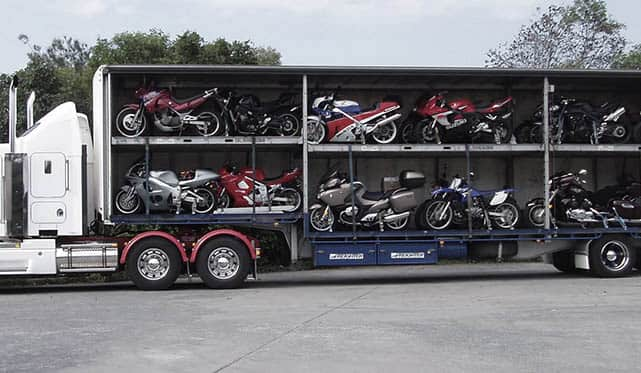
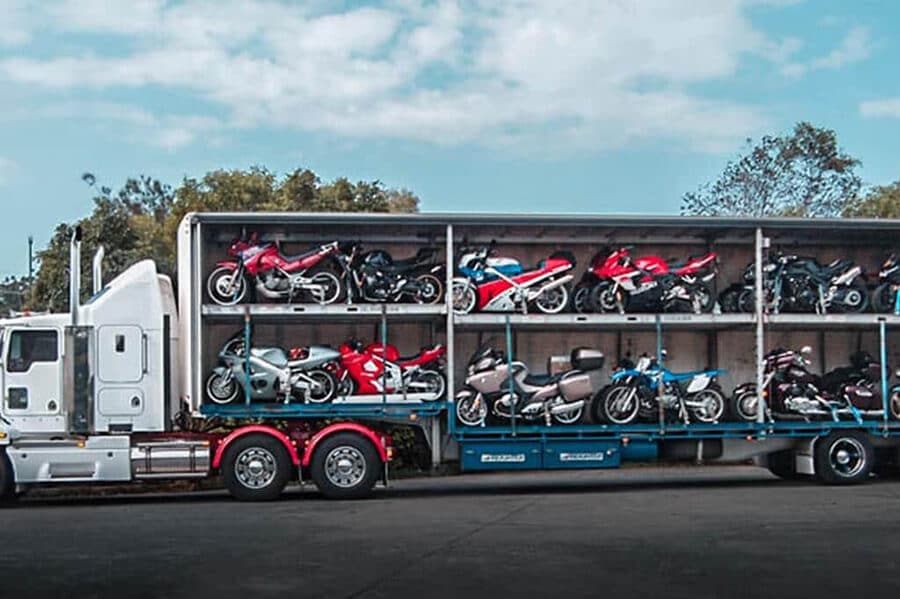
  • Double-Deck Enclosed Trailers: 53-foot air-ride trailers with hydraulic lift gates and custom wheel chocks that hold 24-28 bikes per level
  • Soft-Tie Systems: Nylon straps with sheepskin sleeves that prevent frame scratches (standard hard hooks are banned)
  • Climate-Controlled Units: Essential for shipping lithium-ion battery electric motorcycles like Zero or LiveWire models
  • GPS-Tracked Security: Real-time location, impact sensors, and 24/7 monitoring

The Loading Science: Tetris with $30,000 Machines

Loading 47 motorcycles isn’t random. Professional motorcycle shipping teams follow precise protocols:

  1. Weight Distribution Engineering: Heavier touring bikes in the center, lighter sport bikes on edges
  2. Staggered Height Loading: Alternating handlebar heights to prevent contact
  3. Custom Crating for Premium Models: Limited-edition Ducatis travel in individual wood crates with foam inserts
  4. Battery Disconnect Protocols: Prevents drainage during multi-day hauls

White-Glove Dealership Delivery

The final mile matters. Top motorcycle transport companies offer:

  • Inside Delivery: Trailers back directly into service bays
  • Pre-Delivery Inspections: Technicians check tire pressure, fluid levels, and cosmetic condition
  • Electronic POD with Photos: Digital proof-of-delivery with 360° images
  • Flexible Scheduling: 2-hour delivery windows coordinated with dealership prep teams

Case Study: The Great Sturgis Migration

Every August, motorcycle shipping reaches fever pitch. Some examples of the quantities for motorcycle shipments for the Sturgis Rally are noted below

  • 7 enclosed trailers dispatched
  • 44,000 total miles driven
  • Average delivery: 4.2 days door-to-door

“Dealerships pre-sell rally customs before the event ends,” explains logistics coordinators. “We have bikes leaving Sturgis Thursday that are on showroom floors in Florida by Monday.”

Insurance and Risk Management

Large shipments mean large exposure. Professional motorcycle transport includes:

  • $2M+ Cargo Insurance: Standard for most fleet shipments
  • Contingent Cargo Coverage: Protects against carrier insolvency
  • Diminished Value Protection: Covers resale value loss from minor damage
  • Real-Time Claims Processing: Most claims resolved within 48 hours

Technology Driving Efficiency

Modern motorcycle shipping leverages cutting-edge tools:

  • AI Route Optimization: Predicts traffic, weather, and road restrictions
  • Blockchain Paperwork: Digital bills of lading reduce paperwork errors
  • IoT Sensors: Monitor temperature, humidity, and G-forces in real-time
  • Dealer Portals: Live tracking with estimated arrival updates

Regional Specialization

Different markets demand different approaches:

  • West Coast: Focus on enclosed transport for salt-air protection
  • Midwest: Emphasis on winter weather routing and heated trailers
  • Northeast: Expertise in urban navigation and parking restrictions
  • Southern States: UV protection for prolonged sun exposure

The Human Element

Behind the technology? Highly trained specialists:

  • CDL Drivers with Motorcycle Endorsements: Must pass bike-specific handling courses
  • Loading Technicians: Average 1,200 bikes loaded annually per tech
  • Customer Service Teams: Motorcycle enthusiasts who speak the language of displacement and torque

Future of Large-Scale Motorcycle Shipping

The horizon shows exciting developments:

  • Electric Motorcycle Fleets: Specialized battery handling protocols
  • Drone Pre-Scouting: Aerial route analysis for tight dealership access
  • Autonomous Support Vehicles: Human drivers with robotic assistance
  • Carbon-Neutral Transport: Biodiesel fleets and route optimization

Choosing the Right Transport Partner

Dealerships evaluating motorcycle shipping companies should demand:

  1. FMCSA authorization with MC number
  2. Minimum $1M cargo insurance in most cases
  3. GPS tracking with dealer portal access
  4. Documented loading/unloading procedures
  5. References from similar-sized dealerships

The Bottom Line

Today, motorcycle transport companies aren’t just moving bikes—they’re managing million-dollar inventories with white-glove precision. The best operators combine military-grade logistics with motorcycle passion, ensuring your dealership’s next shipment arrives faster, safer, and ready to sell.

Whether you’re moving 5 bikes or 50, professional motorcycle shipping is the difference between inventory headaches and seamless operations.

The Best Insurance Options for Motorcycle Shipping: Safeguard Your Ride During Transport

Imagine the gut-wrenching moment when your prized Harley-Davidson arrives at its destination with unexplained scratches or worse—totaled from a transport mishap. In 2025, with motorcycle shipping demands surging due to relocations, rallies, and international adventures, one overlooked detail could turn your dream ride into a nightmare. Enter motorcycle shipping insurance: the unsung hero that ensures your bike doesn’t just arrive, but arrives intact. If you’re searching for reliable motorcycle transport insurance to protect against road hazards, theft, or carrier errors, this guide uncovers the top options optimized for seamless motorcycle shipping. Whether you’re a cross-country mover or a vintage collector, we’ll break down coverage types, leading providers, and tips to keep costs low. Let’s rev up and explore how to shield your two-wheeled investment.

Why Insurance is Essential for Motorcycle Shipping and Transport

Motorcycle shipping isn’t just about loading your bike onto a trailer—it’s a high-stakes journey exposed to weather, road debris, and human error. According to the Federal Motor Carrier Safety Administration (FMCSA), vehicle transport incidents rose 12% in 2024, with motorcycles particularly vulnerable due to their lightweight frames and exposed components. Without proper motorcycle transport insurance, you’re left footing the bill for repairs or replacement, which can average $5,000–$15,000 for mid-range bikes.

Standard auto policies often exclude shipping coverage, leaving gaps for transit-specific risks like loading/unloading damage or enclosed trailer failures. That’s where specialized motorcycle shipping insurance shines. It bridges the divide between your personal policy and the carrier’s liability, offering peace of mind for everything from coast-to-coast hauls to overseas exports. In 2025, with rising fuel costs and supply chain delays, opting for comprehensive protection isn’t optional—it’s essential for savvy riders prioritizing safe motorcycle transport.

Key Types of Coverage for Motorcycle Shipping

Navigating motorcycle transport insurance coverage types can feel overwhelming, but understanding the basics empowers you to choose wisely. Here’s a breakdown of the most relevant options for shipping scenarios:

1. Carrier Liability Insurance

This baseline coverage is provided by most motorcycle shipping companies and acts as the first line of defense. It covers damages caused by the carrier’s negligence, such as collisions or improper securing, up to a declared value (typically $100,000–$250,000 per load). However, it’s limited—often excluding weather damage on open trailers or pre-existing issues. For motorcycle shipping, verify the carrier’s FMCSA registration and cargo limits before booking.

2. Cargo Insurance (Commercial Freight Coverage)

The gold standard for motorcycle transport, this policy protects against theft, accidents, and total loss during transit. Reputable shippers like Montway Auto Transport include up to $1 million in cargo insurance, with options to declare your bike’s full value for added premiums (around 1–2% of the bike’s worth). Unlike “like-and-kind” replacements (using used parts), full cargo policies offer new-for-old coverage, ideal for custom choppers or limited-edition models.

3. Enclosed vs. Open Transport Add-Ons

Opt for enclosed trailers? Expect enhanced weather damage protection from hail, dust, or road salt—coverage that’s often minimal on open carriers. Companies like American Auto Shipping bundle this with their “Damage Free Guarantee,” reimbursing up to $500 on personal deductibles if claims arise.

4. Supplemental and Personal Extensions

Layer on extras like gap coverage for financed bikes or accessory protection for saddlebags and exhausts (up to $30,000 via providers like Foremost). Your existing motorcycle insurance from Progressive or GEICO may extend to transport—check for “in-transit” riders that cover off-road storage or delays.

Coverage Type What It Protects Against Typical Cost Best For
Carrier Liability Negligence-related damage Included in shipping quote Basic hauls
Cargo Insurance Theft, total loss, accidents 1–2% of bike value High-value bikes
Enclosed Add-On Weather, debris $50–$150 extra Long-distance open transport
Personal Extension Accessories, gaps in carrier policy Varies by insurer Custom or financed motorcycles

By mixing these motorcycle transport insurance coverage types, you create a bulletproof shield tailored to your route and ride.

Top Companies for Insuring Motorcycle Shipping in 2025

Selecting the right provider means balancing affordability, claims ease, and specialization. Based on 2025 reviews from Forbes, MoneyGeek, and FMCSA data, here are the standouts for motorcycle shipping insurance:

1. Progressive: The All-Rounder for Riders

As the #1 motorcycle insurer insuring one in three U.S. bikes, Progressive excels in hybrid policies that blend personal and transport coverage. Their “Transport Protection” add-on covers shipping mishaps for as low as $10/month, including roadside reimbursement during delays. Average annual premium: $384 for full coverage. Discounts for safe shippers (up to 15%) make it a top pick for frequent motorcycle transport users.

2. GEICO and Harley-Davidson: Personalized Extensions

GEICO’s low rates ($36/month full coverage) extend seamlessly to transport via “in-storage” riders, covering up to $10,000 in accessories. For Harley owners, Harley-Davidson Insurance provides OEM parts guarantees and rental reimbursement during shipping claims—perfect for brand loyalists.

How to Choose and Save on Your Coverage

Securing the best motorcycle shipping insurance starts with assessing your bike’s value (use Kelley Blue Book for accuracy) and route risks—enclosed for coasts, open for short hops. Compare at least three quotes via tools like Trusted Choice agents, factoring in deductibles ($250–$1,000).

Slash costs with bundles: Multi-bike discounts (10–20%) from Progressive. For high-risk shipments (e.g., winter cross-country), add trip interruption for hotel/food reimbursements up to $500. Pro tip: Document your bike pre-shipment with photos and serial numbers to expedite claims.

Common pitfalls? Skipping value declarations (capping payouts) or ignoring exclusions like mechanical wear. In 2025, AI-driven quote tools from GEICO speed up personalization, but human agents ensure no gaps.

Final Thoughts: Ride Secure, Ship Smart

In the world of motorcycle shipping and transport, insurance isn’t an expense—it’s your ticket to worry-free adventures. From Progressive’s versatile riders to AmeriFreight’s robust cargo shields, the best options blend affordability with ironclad protection. Don’t let a transport hiccup derail your passion; invest in coverage that matches your ride’s worth and your peace of mind. Ready to quote? Start with a free comparison today and hit the road knowing your bike’s got your back—or rather, your carrier does.

Motorcycle Shipping for Military Personnel: Special Services You Can Trust

Serving your country shouldn’t mean leaving your motorcycle behind. Whether you’re being deployed overseas, moving to a new base, or returning home after a long tour, reliable motorcycle shipping for military personnel ensures your bike travels safely wherever duty calls.

For members of the U.S. Armed Forces, relocation is a regular part of life. While the military covers certain aspects of a Permanent Change of Station (PCS), your motorcycle often requires a different kind of care — and that’s where professional motorcycle transport services come in. Specialized shipping companies offer tailored solutions to help service members move their bikes efficiently, securely, and affordably.


Why Military Personnel Need Specialized Motorcycle Shipping

Frequent relocations are part of military life. From moving between domestic bases to assignments abroad, every transfer comes with logistical challenges. Your motorcycle isn’t just a vehicle — it’s a symbol of freedom and personal identity.

Unlike cars or household goods, motorcycles demand special handling during transport due to their size, balance, and sensitivity to weather conditions. Professional motorcycle transport companies understand these unique needs, providing door-to-door motorcycle shipping, enclosed transport, and overseas motorcycle shipping options that ensure your ride arrives in perfect condition.

Many military motorcycle shipping services also cater to tight relocation timelines and and in some cases offer discounted rates for active-duty members, veterans, and their families. These companies recognize the sacrifices service members make — and they make sure your move is one less thing to worry about.


Types of Motorcycle Shipping Services for Military Members

1. Domestic Motorcycle Shipping

For PCS moves within the United States, professional shippers provide open and enclosed motorcycle transport options:

  • Open Transport: Cost-effective and ideal for short distances, where your motorcycle is securely fastened to an open trailer.

  • Enclosed Transport: Offers maximum protection against weather, debris, and road hazards — ideal for longer routes or valuable bikes.

Most companies offer door-to-door pickup and delivery, making the process easy even when you’re balancing deployment or training schedules.

2. Overseas Motorcycle Shipping

When duty takes you across the globe, international motorcycle transport ensures your bike follows you safely. Reputable shippers handle all the logistics, including crating, customs paperwork, and port delivery. Whether you’re relocating to Europe, Asia, or the Middle East, a military-friendly shipper can coordinate directly with your destination base.

3. Temporary Storage Solutions

If your deployment is temporary or your next assignment doesn’t allow personal vehicles, many motorcycle transport companies provide secure, climate-controlled storage options. Your motorcycle stays protected until you’re ready to reunite with it.


Key Benefits of Using Military Motorcycle Shipping Services

  1. Military Discounts: Some transporters offer discounted rates for active-duty service members, veterans, and reservists on some locations.

  2. Flexible Scheduling: PCS timelines can shift unexpectedly — professional transporters accommodate changes without hefty rescheduling fees.

  3. Insurance Protection: Comprehensive insurance coverage ensures your motorcycle is protected from pickup to delivery.

  4. Tracking and Communication: Most reputable companies offer real-time tracking and status updates, giving you peace of mind while you focus on your mission.

  5. Hassle-Free Paperwork: Experienced military shipping companies know how to handle required documentation for domestic and international moves.


How to Prepare Your Motorcycle for Shipping

Before shipping your motorcycle, a few simple steps can ensure a smooth experience:

  • Clean your bike to identify any existing scratches or damage.

  • Document the condition with photos and notes for insurance purposes.

  • Remove personal items and detachable accessories.

  • Check fluid levels and tire pressure.

  • Disable alarms and make sure the fuel tank is only about one-quarter full.

Preparation ensures your motorcycle arrives ready to ride — no surprises, no stress.


Choosing the Right Motorcycle Transport Company

When selecting a motorcycle shipping company for military personnel, look for:

  • Experience with military moves and understanding of PCS timelines.

  • Licensing and insurance credentials (FMCSA registration for domestic moves, international certifications for overseas).

  • Transparent pricing with no hidden fees.

  • Positive reviews from fellow service members and veterans.

Top-rated companies often display partnerships or recognition from military organizations — a sign they truly value those who serve.


Final Thoughts

Military life is full of movement and change, but your motorcycle doesn’t have to be left behind. Trusted motorcycle shipping for military personnel ensures your bike travels wherever your orders take you — safely, securely, and affordably.

From enclosed motorcycle transport across the country to international motorcycle shipping for overseas assignments, the right transport partner gives you peace of mind. After all, when you’ve dedicated your life to serving, you deserve a service that takes care of you — and your ride.

How Motorcycle Dealers and Manufacturers Use Motorcycle Transport Services

Imagine revving up a brand-new Harley-Davidson or a sleek Ducati, only to realize it’s thousands of miles away from your garage. In today’s fast-paced world of two-wheeled adventures, getting that dream bike from point A to point B isn’t just about the thrill of the ride—it’s about smart logistics. Motorcycle dealers and manufacturers rely on specialized transport services to keep the industry rolling, ensuring bikes arrive safely, on time, and ready to roar. This article dives deep into how these key players leverage motorcycle shipping and motorcycle transport solutions, highlighting their strategies, benefits, and the tech-driven future ahead. Whether you’re a rider, dealer, or industry insider searching for “motorcycle shipping options” or “reliable motorcycle transport services,” read on to uncover the gears behind the scenes.

The Role of Transport Services in Motorcycle Manufacturing

Motorcycle manufacturers like Honda, Yamaha, and BMW produce millions of units annually across global factories. But production is just the start; the real challenge is distribution. That’s where motorcycle transport services come into play. These services handle the bulk movement of bikes from assembly lines to distribution centers, dealerships, or even international ports.

For instance, manufacturers often use enclosed motorcycle shipping for high-value models to protect against weather, dust, and road hazards. Open-air transport might suffice for standard models, cutting costs while still ensuring secure tie-downs and specialized trailers. According to industry reports, efficient motorcycle transport can reduce delivery times by up to 30%, allowing manufacturers to meet seasonal demands—like the surge in spring sales when riders itch to hit the open road.

Key to this is partnerships with logistics giants such as FedEx Freight or specialized firms like uShip and Motorcycle Shippers. These providers offer door-to-door motorcycle shipping, complete with GPS tracking and insurance options. Manufacturers integrate these services into their supply chain management systems, using AI-powered route optimization to minimize delays and carbon footprints. In an era where sustainability matters, electric motorcycle manufacturers like Zero Motorcycles are increasingly opting for eco-friendly transport methods, such as rail-integrated shipping, to align with their green ethos.

How Dealers Streamline Operations with Motorcycle Shipping

On the retail side, motorcycle dealers—from small independent shops to large chains like Cycle Gear—depend on motorcycle transport to stock inventories and fulfill customer orders. Picture a dealer in New York sourcing rare vintage bikes from California auctions; without reliable shipping, that deal falls apart.

Dealers use motorcycle shipping services for several core functions:

  • Inventory Replenishment: Seasonal shifts mean dealers need to rotate stock quickly. Transport services enable bulk shipments from manufacturers or wholesalers, often via flatbed trucks or containerized ocean freight for international imports.
  • Customer Deliveries: With e-commerce booming, dealers offer white-glove delivery. Services like enclosed motorcycle transport ensure bikes arrive pristine, boosting customer satisfaction and reviews—crucial for SEO rankings on sites like Google My Business.
  • Trade-Ins and Relocations: When customers trade in bikes or relocate, dealers facilitate transport to auctions or new owners. This not only generates revenue but also builds loyalty.

Optimization is key here. Dealers leverage platforms with real-time quotes for motorcycle shipping rates, factoring in distance, bike size, and urgency. For example, a cross-country haul might cost $500–$1,500, but bundling with manufacturer shipments can slash expenses. AI searches, like those on Google or voice assistants, often query “best motorcycle transport near me,” driving dealers to partner with SEO-optimized providers who rank high in results.

Challenges do arise, such as regulatory hurdles for international motorcycle transport (e.g., customs for EU imports) or weather-related delays. Solutions include comprehensive insurance and contingency planning, ensuring bikes are crated securely to prevent damage.

Benefits and Innovations in Motorcycle Transport

The advantages of robust transport services extend beyond logistics. For manufacturers, streamlined motorcycle shipping means faster time-to-market, reducing holding costs and enabling just-in-time inventory. Dealers benefit from expanded reach—selling to out-of-state buyers without the hassle of in-person pickups.

Innovation is transforming the field. Drones and autonomous vehicles are on the horizon for short-haul motorcycle transport, while blockchain ensures transparent tracking. Electric vehicle charging infrastructure along routes supports the growing EV motorcycle segment.

Case in point: During the 2023 supply chain crunch, Harley-Davidson ramped up its use of domestic motorcycle shipping partners to bypass port delays, maintaining dealer stock levels. This agility not only preserved sales but also enhanced brand reputation.

From a business perspective, these services contribute to economic growth. The global motorcycle transport market is projected to hit $XX billion by 2030, driven by rising e-commerce and adventure tourism. Keywords like “affordable motorcycle shipping” and “secure motorcycle transport companies” dominate searches, making SEO vital for providers.

Overcoming Challenges in Motorcycle Shipping

No system is flawless. Common pitfalls include damage during transit—scratches or dents from improper handling—or delays due to traffic and regulations. Manufacturers and dealers mitigate this through vetted partners offering guaranteed delivery windows and full-value insurance.

For international motorcycle transport, compliance with emissions standards and tariffs adds complexity. Tools like AI-driven customs brokers simplify this, predicting duties and streamlining paperwork.

Sustainability is another frontier. Eco-conscious services use biodiesel trucks or carbon-offset programs, appealing to environmentally aware riders searching for “green motorcycle shipping options.”

The Future of Motorcycle Transport: AI and Beyond

Looking ahead, AI will revolutionize how motorcycle dealers and manufacturers use transport services. Predictive analytics can forecast demand, optimizing shipping routes. Voice-activated searches on devices like Alexa—”find motorcycle transport services”—will direct users to integrated platforms.

In conclusion, motorcycle shipping and transport are the unsung heroes keeping the industry in motion. By partnering with expert providers, manufacturers ensure global reach, while dealers deliver exceptional service. If you’re in the market, research top-rated services today—your next ride depends on it.

Shipping Motorcycles for Events: What Riders Need to Know

Ride Less, Stress Less — Get Your Bike There Safely and On Time

For many riders, the open road is freedom. But when it comes to major motorcycle rallies, trade shows, cross-country events, or track days, riding across thousands of miles isn’t always practical. That’s where motorcycle shipping comes in — giving bikers a stress-free way to get their prized machines safely to and from the event without adding miles, wear, or risk.

Whether you’re attending Sturgis, Daytona Bike Week, MotoGP weekends, or a charity rally, understanding the logistics of motorcycle transport ensures your bike arrives in perfect condition — and on time for the adventure ahead.


Why Ship Your Motorcycle to an Event?

Long-distance motorcycle transport isn’t just about convenience — it’s about protecting your investment and optimizing your experience.

  1. Save Time and Energy:
    Riding across multiple states before an event can leave you exhausted before it even begins. Professional motorcycle shipping services handle the long haul so you can arrive rested and ready to ride.

  2. Preserve Your Bike:
    Custom and show bikes deserve protection. Enclosed motorcycle transport shields your ride from road debris, weather damage, and unnecessary wear.

  3. Plan Group or Club Shipments:
    Many shipping companies offer group motorcycle shipping rates, perfect for clubs or friends attending the same event.

  4. Avoid Unpredictable Weather and Road Hazards:
    Instead of stressing about storms, breakdowns, or tight travel schedules, let the professionals handle the transport while you focus on the fun.


Types of Motorcycle Shipping for Events

There are two main options when it comes to motorcycle transport, and choosing the right one depends on your event, distance, and bike type.

1. Open Transport

Open carriers are the most economical choice and are often used for standard motorcycles traveling moderate distances. Your bike will be securely strapped to an open trailer, much like how new motorcycles are delivered to dealerships.

Pros:

  • More affordable

  • Widely available

  • Ideal for short to mid-range routes

Cons:

  • Exposed to weather and road elements

2. Enclosed Transport

For high-value, vintage, or custom motorcycles, enclosed motorcycle shipping offers maximum protection. These specialized trailers are fully covered, often equipped with lift gates, soft tie-downs, and climate control.

Pros:

  • Complete protection from weather and debris

  • Added security for expensive or fragile bikes

  • Preferred for long-distance or high-profile events

Cons:

  • Slightly higher cost


How to Prepare Your Motorcycle for Shipping

Proper preparation makes all the difference in ensuring your bike’s safe arrival:

  1. Clean Your Motorcycle:
    A clean surface makes it easier to identify any pre-existing scratches or damage before transport.

  2. Inspect and Document:
    Take detailed photos and notes of your motorcycle’s condition. This documentation is essential for insurance purposes.

  3. Check Fluids and Tires:
    Ensure there are no fluid leaks, and inflate tires properly. Most companies require fuel levels to be below ¼ tank.

  4. Remove Accessories:
    Detach or secure loose items such as GPS units, saddlebags, or mirrors.

  5. Provide Keys and Alarm Instructions:
    If your motorcycle has an alarm system, disable it or provide clear instructions to the carrier.


Choosing the Right Motorcycle Shipping Company

Selecting a reputable transport company is key to a smooth experience. Look for these indicators:

  • Specialized in Motorcycle Transport: Not every auto shipper understands the unique requirements of bikes.

  • Licensed and Insured: Verify credentials with the FMCSA (Federal Motor Carrier Safety Administration).

  • Transparent Pricing: Avoid companies that provide vague or fluctuating quotes.

  • Positive Reviews and Event Experience: Choose shippers who have successfully handled event logistics or large group shipments.

Some trusted motorcycle transport companies even offer door-to-event delivery, so your bike can be dropped off directly at the venue or nearby accommodation.


When to Book Motorcycle Transport for an Event

Timing is critical — especially during major motorcycle events when carriers get fully booked. Plan ahead:

  • Book 4-6 weeks in advance for large national events.

  • Confirm pickup and delivery windows with the transport company.

  • Coordinate your travel schedule so you and your bike arrive together.


Final Thoughts: Ride Smart, Ship Smart

Shipping your motorcycle to an event isn’t about skipping the ride — it’s about making the most of your riding experience. Whether you’re showcasing a custom build, attending a rally, or joining a national ride, reliable motorcycle transport services take the stress out of logistics so you can focus on the journey that matters most.

When you trust professionals to handle your motorcycle shipping, you’re not just moving a machine — you’re protecting a passion.

So, next time you gear up for an event, remember: real riders ride smarter, not harder.

How to Transport Your Motorcycle for a Cross-Country Ride

“Dreaming of an epic cross-country ride but not the exhausting miles to get there? Discover the smartest ways to ship your motorcycle so you start your adventure fresh and ready to roll.”

There’s nothing quite like the freedom of exploring the open road on two wheels, especially when it stretches across the country. But when your journey starts hundreds or even thousands of miles away, getting your bike to the starting line can be a challenge. That’s where motorcycle shipping and motorcycle transport services come in—helping riders move their bikes safely, efficiently, and affordably.

Whether you’re riding coast to coast, joining a major rally like Sturgis, or relocating across the U.S., here’s everything you need to know about transporting your motorcycle for a cross-country adventure.


Why Ship Instead of Ride?

Riding your motorcycle cross-country sounds exciting, but sometimes it’s not practical. Maybe you only have time for the scenic parts of the route, or perhaps you’re avoiding extreme weather, minimizing wear and tear, or transporting multiple bikes. Professional motorcycle shipping gives you flexibility—you can fly to your destination and start your ride where it matters most.


Top Options for Motorcycle Transport

1. Enclosed Motorcycle Shipping

For maximum protection, enclosed transport is the top choice. Your bike rides inside a covered trailer, shielded from road debris, rain, and temperature swings. This option is ideal for high-value, custom, or vintage motorcycles traveling long distances. Most enclosed trailers feature wheel chocks, soft straps, and lift gates for safe loading and unloading.

2. Open Motorcycle Transport

If budget is a concern, open transport may be right for you. Bikes are secured on an open trailer—similar to car carriers—which makes it more affordable but exposes the bike to weather. For durable, touring, or everyday motorcycles, this is a solid option when cost matters more than perfection.

3. Palletized or Crated Shipping

In palletized transport, the motorcycle is strapped onto a wooden or metal pallet and surrounded by protective materials. Crated shipping provides extra stability and is often used for international or cross-country motorcycle transport where minimal movement and full protection are essential.

4. DIY or Truck-Bed Transport

If you have a truck, you can haul your own bike using quality ramps, tie-downs, and wheel chocks. While this gives full control, it requires experience and the right equipment to avoid scratches or mechanical stress. For longer routes or multiple bikes, professional motorcycle transport services are safer and more cost-effective.


Preparing Your Motorcycle for Shipping

Before handing your bike off to a transport company, a few simple steps can prevent damage and delays:

  1. Clean Your Motorcycle – A clean bike helps you (and the carrier) spot any existing scratches or wear before shipping.

  2. Document Its Condition – Take detailed photos and note mileage.

  3. Remove Accessories – Take off mirrors, GPS units, saddlebags, or loose gear.

  4. Check Fluids & Battery – Some shippers require fuel levels below ¼ tank and may ask to disconnect the battery.

  5. Inspect Tire Pressure & Leaks – Ensures safe loading and unloading.

These preparations help ensure a smooth motorcycle shipping process from start to finish.


How Much Does Cross-Country Motorcycle Shipping Cost?

Pricing depends on distance, service type, and route. On average:

  • Open transport: $0.50–$0.75 per mile

  • Enclosed transport: $0.75–$2.00+ per mile

For example, coast-to-coast motorcycle transport (2,800+ miles) might range from $1,400 to $2,400, depending on options and timing. Always ask for a written quote and confirm insurance coverage for the bike’s full value.


Choosing the Right Motorcycle Shipping Company

When comparing companies, look for:

  • Proven experience with long-distance or cross-country shipping

  • Full insurance coverage and USDOT registration

  • Real customer reviews and ratings

  • Transparent pricing with no hidden fees

  • Door-to-door service options

A reputable carrier will keep you informed every step of the way, with GPS tracking or status updates.


Pro Tips for Stress-Free Cross-Country Motorcycle Transport

  • Book early: Prices rise in peak riding seasons (spring and late summer).

  • Be flexible: Allow a few days’ window for pickup and delivery.

  • Confirm delivery details: Verify your bike will arrive at a convenient location near your start point.

  • Inspect on arrival: Check your motorcycle thoroughly before signing the final delivery paperwork.


Final Thoughts

Your cross-country motorcycle adventure deserves a smooth start. With the right motorcycle shipping service, you can skip the hassle of long hauls, preserve your bike’s condition, and focus on the open roads you truly want to ride.

Whether you’re sending your motorcycle from Arizona to Florida or coast to coast, planning ahead and choosing a trusted motorcycle transport company ensures your bike arrives safely—and you start your journey ready to roll, not worn out from the ride.

The Best Ways to Ship an Off-Road or Dirt Bike

“Ready to ride anywhere? Discover how safe, reliable motorcycle shipping makes transporting your dirt bike as easy as kicking up dust on the trail.”

Off-road and dirt bikes are built for adventure, but when it comes to getting them from point A to point B, riding isn’t always the best option. Whether you’re heading to a race, selling your bike to a buyer across the country, or relocating for work, finding the safest and most efficient way to transport your dirt bike is essential.

The good news is that today’s motorcycle transport options make it easier than ever to move your off-road bike without the stress, damage risks, or time-consuming logistics of handling it yourself. Here’s a complete guide to the best ways to ship your dirt bike.


Why Use Professional Motorcycle Transport?

Dirt bikes may be rugged on the trail, but they’re surprisingly vulnerable in transit. Exposed handlebars, lightweight frames, and specialized parts make them prone to scratches, dents, and alignment issues if not properly secured. Professional motorcycle transport services offer specialized equipment and expertise to ensure your bike arrives in perfect condition.

Benefits of using a trusted shipping service include:

  • Protection from damage with specialized tie-downs and crating options.

  • Time savings compared to arranging your own trailer or rental truck.

  • Nationwide coverage for races, relocations, or online sales.

  • Insurance protection for peace of mind.


Main Shipping Options for Dirt Bikes

1. Enclosed Motorcycle Transport

The gold standard for dirt bike shipping, enclosed trailers protect your bike from weather, road debris, and prying eyes. With custom tie-down systems, wheel chocks, and even climate-controlled environments, this option offers maximum protection. It’s ideal for high-value off-road bikes or long-distance shipping.

2. Open Trailer Transport

If budget is a concern, open transport is a cost-effective option. Bikes are securely fastened on an open trailer, similar to how cars are transported. While your dirt bike will be exposed to the elements, this method works well for shorter distances or less expensive bikes.

3. Palletized Shipping (Crated Transport)

Some companies crate your dirt bike for maximum stability. This involves securing the bike on a pallet with straps and protective wrapping. Palletized shipping is often used for long-distance moves or international motorcycle shipping because it minimizes movement during transit.

4. DIY Transport

If you own a truck or trailer, you can transport your dirt bike yourself. However, this requires proper ramps, tie-downs, and protective gear. DIY transport works for local moves but can be risky and stressful for longer hauls.


How to Prepare Your Dirt Bike for Shipping

Proper preparation is key to safe motorcycle transport. Before the carrier arrives, follow these steps:

  1. Clean Your Bike – Dirt and mud can hide damage; cleaning makes inspection easier.

  2. Document Condition – Take high-quality photos to record scratches or wear before shipping.

  3. Drain Fluids (if required) – Some shippers require minimal fuel or drained fluids for safety.

  4. Remove Loose Accessories – Mirrors, saddlebags, or GPS units should be removed or securely fastened.

  5. Disable the Alarm – Prevents accidental activation during transit.


Cost Factors in Dirt Bike Shipping

The price of shipping your off-road motorcycle depends on several factors:

  • Distance – Longer hauls cost more, but per-mile rates often decrease with distance.

  • Transport Type – Enclosed costs more than open, but offers better protection.

  • Location – Rural pickups or deliveries may carry additional fees.

  • Timeframe – Expedited shipping will increase the price.

On average, dirt bike owners can expect domestic motorcycle shipping costs to range from $400 to $900, depending on the factors above.


Choosing the Right Motorcycle Shipping Company

Not all transport services are created equal. When comparing companies, look for:

  • Experience with dirt bikes and off-road motorcycles.

  • Proper equipment like wheel chocks, soft straps, and lift gates.

  • Transparent insurance coverage to protect your bike’s value.

  • Customer reviews highlighting reliability and professionalism.


Final Thoughts

Your off-road motorcycle deserves the same care in transit that you give it on the trail. Whether you choose enclosed shipping for maximum protection, palletized shipping for long hauls, or open transport for affordability, professional motorcycle transport services make it simple, safe, and stress-free to get your dirt bike where it needs to go.

With the right preparation and a trusted shipping partner, you’ll spend less time worrying about logistics and more time doing what you love: riding.

How to Transport a Custom-Built Motorcycle Safely

When you’ve invested time, money, and passion into building a custom motorcycle, it becomes more than just a ride—it’s a one-of-a-kind masterpiece. Whether you’re moving across the country, attending a motorcycle show, or selling to a collector, the last thing you want is damage during transport. Choosing the right motorcycle shipping solution is the key to keeping your custom-built bike safe, secure, and road-ready.

In this article, we’ll explore how to transport a custom-built motorcycle safely, covering the best practices, shipping methods, preparation tips, and why working with a professional motorcycle transport company is essential.


Why Custom Motorcycles Require Special Shipping

Unlike mass-produced bikes, custom-built motorcycles often feature:

  • Unique dimensions (wider handlebars, extended frames, or custom saddlebags)

  • Specialty paint jobs and finishes

  • Aftermarket parts not easily replaceable

  • Higher value, both financially and sentimentally

Because of these factors, a custom motorcycle can’t just be treated like any other bike. Specialized motorcycle shipping methods ensure protection against scratches, dents, or worse.


Enclosed vs. Open Motorcycle Transport

One of the first decisions you’ll make is choosing between enclosed and open motorcycle transport.

  • Open Transport: Bikes are secured on an open trailer, exposed to the elements. While it’s the more budget-friendly option, it leaves your custom build vulnerable to road debris, rain, or sun damage.

  • Enclosed Transport: Your motorcycle is placed inside a fully enclosed trailer, shielded from weather and external hazards. Enclosed transport often comes with extra strapping systems, soft ties, and air-ride suspension—perfect for protecting high-value, custom-built motorcycles.

👉 For custom bikes, enclosed motorcycle shipping is strongly recommended.


Preparing Your Custom Motorcycle for Transport

Even with the best transport service, your motorcycle needs preparation before it’s shipped. Follow these steps to minimize risks:

  1. Document Your Bike’s Condition

    • Take high-resolution photos and videos from all angles.

    • Note existing scratches, dents, or unique features.

    • Keep this record in case you need to file an insurance claim.

  2. Secure or Remove Loose Parts

    • Detach saddlebags, mirrors, windshields, or custom accessories that could come loose.

    • Store them separately if possible.

  3. Check Fluid Levels and Tires

    • Drain most of the fuel (typically down to 1/4 tank).

    • Ensure tires are properly inflated.

  4. Disable Alarms

    • Avoid unnecessary delays by disabling security systems.

  5. Provide Special Instructions

    • If your bike has a lowered suspension, extended forks, or a fragile paint finish, inform your motorcycle transport provider in advance.


Choosing the Right Motorcycle Shipping Company

Not all shipping companies are equal, especially when it comes to handling custom builds. Here’s what to look for:

  • Experience with Custom Motorcycles: Ask if they’ve transported high-value or show bikes before.

  • Insurance Coverage: Verify that their policy fully covers the value of your custom motorcycle.

  • Special Equipment: Soft straps, wheel chocks, air-ride trailers, and lift gates are signs of professionalism.

  • Customer Reviews: Look for positive feedback from riders who shipped unique or modified bikes.

A trustworthy motorcycle transport company not only moves your bike but also provides peace of mind.


Common Mistakes to Avoid

  • Cutting Costs with Open Shipping: Saving a few hundred dollars isn’t worth risking thousands in custom work.

  • Not Preparing the Bike: Loose parts or accessories can break off in transit.

  • Skipping Insurance: Always double-check coverage before handing over your keys.

  • Choosing a General Auto Shipper: Cars and motorcycles are different—always use a specialized motorcycle shipping service.


Final Thoughts: Protect Your Passion

Your custom-built motorcycle isn’t just another vehicle—it’s a reflection of your creativity, craftsmanship, and dedication. Treating it with the care it deserves during transport ensures it arrives in perfect condition, ready to turn heads on the street or at the next bike show.

Whether you’re moving across state lines or across the country, enclosed motorcycle transport with a reputable shipping company is the safest way to go. With preparation, documentation, and the right partner, you can ship your custom motorcycle confidently.

  • « Previous Page
  • 1
  • 2
  • 3
  • 4
  • …
  • 27
  • Next Page »

Submit Quick Quote or call 866-383-1307.

  • CLICK HERE for Zip Code Locator
  • CLICK HERE for Zip Code Locator

Shipping Information

  • Sample Shipping Rates
  • Shipping Options
  • FAQs About Shipping
  • Buying & Selling Tips
  • Testimonials
  • Book a Shipment
  • Partner With Shippingmasters
  • Terms of Use
  • About Shippingmasters Motorcycle Shipping Services

Categories

  • Articles

Recent Articles

  • Full Throttle Forward: Expert Tips on Motorcycle Transport
  • Gear Up for Adventure: Essential Motorcycle Shipping Strategies
  • Cruise Control: How to Ship Your Motorcycle Without a Hitch
  • Throttle Down on Costs: Affordable Motorcycle Transport Options
  • From Garage to Destination: Mastering Motorcycle Shipping
© 2026 by Shippingmasters.com. All Rights Reserved.

Terms of Use

Shippingmasters

Professional Motorcycle Transport Broker

Licensed & Bonded

DOT #2230931 | MC #461199

Quick Links

  • Home
  • FAQ
  • Services
  • Contact

Contact Us

Email: sales@shippingmasters.com

Phone: 602-214-6967

© Shippingmasters LLC. All rights reserved.